









Portsmouth Water is celebrating the “tangible benefits” of a series of environmental restoration projects, marking a successful milestone for its Biodiversity Grant Scheme. The initiative, which provides financial backing to local conservation organisations across Hampshire and West Sussex, is designed to bolster natural habitats that are increasingly under threat from urban development, the accelerating impacts of climate change, and the spread of invasive species.
By targeting specific, vulnerable ecosystems, the grant scheme has enabled a range of interventions that aim to restore biodiversity and improve public access to green spaces.
One of the most significant projects supported by the scheme is located at Paulsgrove Chalkpit. Historically an important site for orchids, butterflies, and other specialist wildlife, the area had suffered from encroachment by dense gorse and invasive vegetation. Through the grant, 1.6 hectares of chalk grassland have been successfully cleared and restored. This work creates the open, sunlight-rich environment necessary for these specialist species to thrive, providing a vital lifeline for local pollinators and rare plant life.
Further efforts to improve the region’s green infrastructure have taken place at the Great Salterns Recreation Ground. There, the focus shifted toward balancing the landscape’s ecology. By clearing overgrown brambles and managing the encroachment of scrub, project leaders have helped restore a more balanced ratio between scrub and open grassland. This improvement has not only resulted in a healthier, more diverse habitat for local fauna but has also enhanced accessibility for members of the public, ensuring the site remains a functional and enjoyable green space for the community.
The reach of the funding extends well beyond the immediate Portsmouth area. In West Sussex, on the Manhood Peninsula, the scheme has been instrumental in the restoration of four long-neglected ponds. These wetland areas are critical for the survival of water voles and a variety of aquatic species. Following the remediation work, early ecological surveys have already indicated a promising increase in plant diversity, suggesting that the wetland ecosystem is beginning to recover and support a broader range of life.
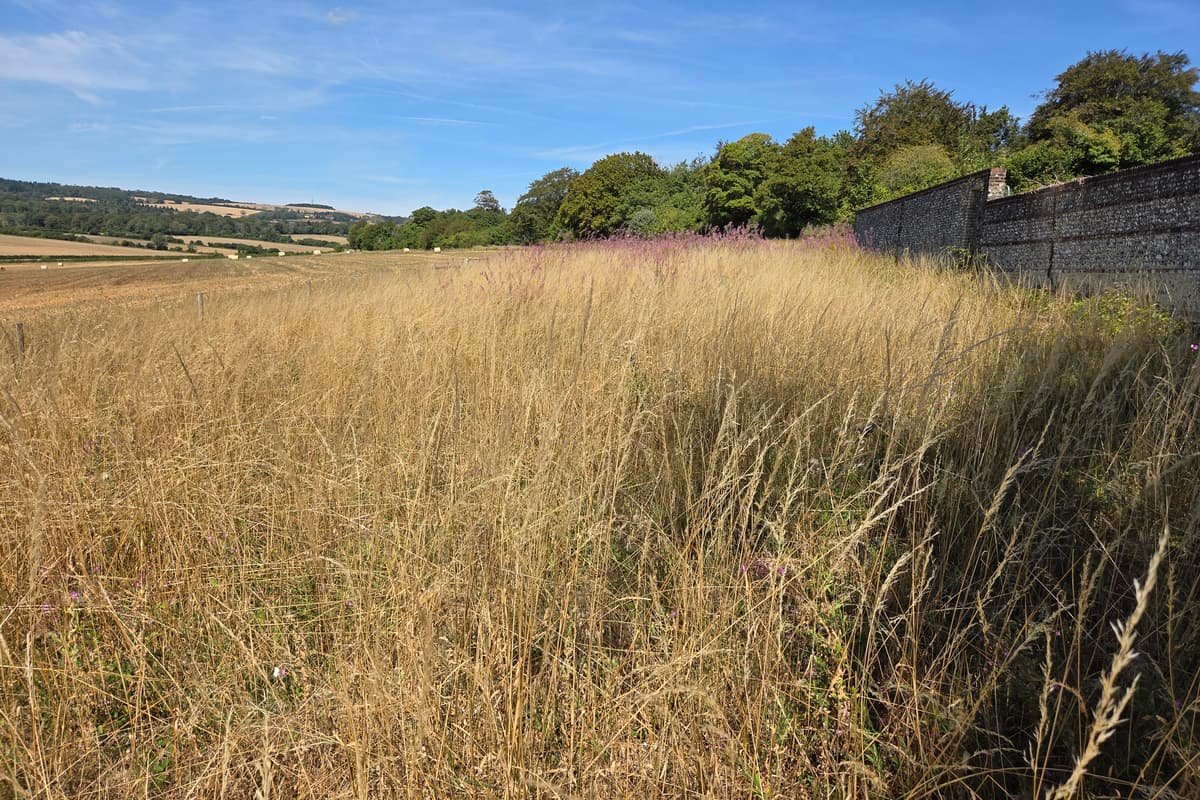
In the village of Slindon, the grant supported the Downes Barn Chalk Grassland Creation Project. This initiative transformed a 700-square-metre area into a thriving, species-rich chalk grassland, effectively creating a new sanctuary for regional flora that has struggled to find purchase in increasingly developed landscapes.
Simon Deacon, Catchment and Environment Manager at Portsmouth Water, highlighted the collaborative nature of these successes. “We are delighted to have supported these fantastic projects through our Biodiversity Grant Scheme,” he said. “Each project demonstrates how targeted conservation work, combined with the dedication of local volunteers and environmental organisations, can deliver tangible benefits for nature and communities alike.”
According to Deacon, the long-term goal of these initiatives is to build more resilient ecosystems capable of withstanding the pressures of a changing environment. “From restoring ponds and rare chalk grassland habitats to improving access to local green spaces, these initiatives are helping to create more resilient ecosystems and support the wildlife that depends on them,” he added. “We look forward to seeing these sites continue to flourish in the years ahead.”
As these conservation projects mature, Portsmouth Water intends for them to serve as models for future environmental stewardship. By integrating corporate support with the local knowledge and labour of community groups, the scheme demonstrates a scalable approach to habitat restoration that addresses both immediate ecological decline and the long-term need for biodiversity in the face of regional development.
Disclaimer: This content is auto-generated for informational purposes only.
Source: Read Original News