








Evidence of an Imminent Hardware Refresh
The recent discovery of an unreleased Smart Folio case on Apple’s French regulatory website has provided the strongest indication yet that a new iteration of the iPad mini is approaching. Identified by the model number A3632, this accessory does not align with the specifications of any currently available or historical iPad mini hardware. By surfacing this regulatory documentation, Apple has inadvertently confirmed that a physical chassis redesign is underway.
Typically, Apple maintains strict backward compatibility for its accessories, but the introduction of an entirely new model number suggests that the upcoming device will feature altered dimensions, modified port placements, or subtle changes to the magnetic alignment system. Placed alongside recent regulatory filings for iPhone 18 Pro accessories, this discovery aligns with industry expectations for an October hardware launch window. Analysts anticipate that Apple will host a product event on or around October 27, where the A3632 folio will likely debut as the primary protective peripheral for the new tablet.
Transitioning to OLED Display Technology
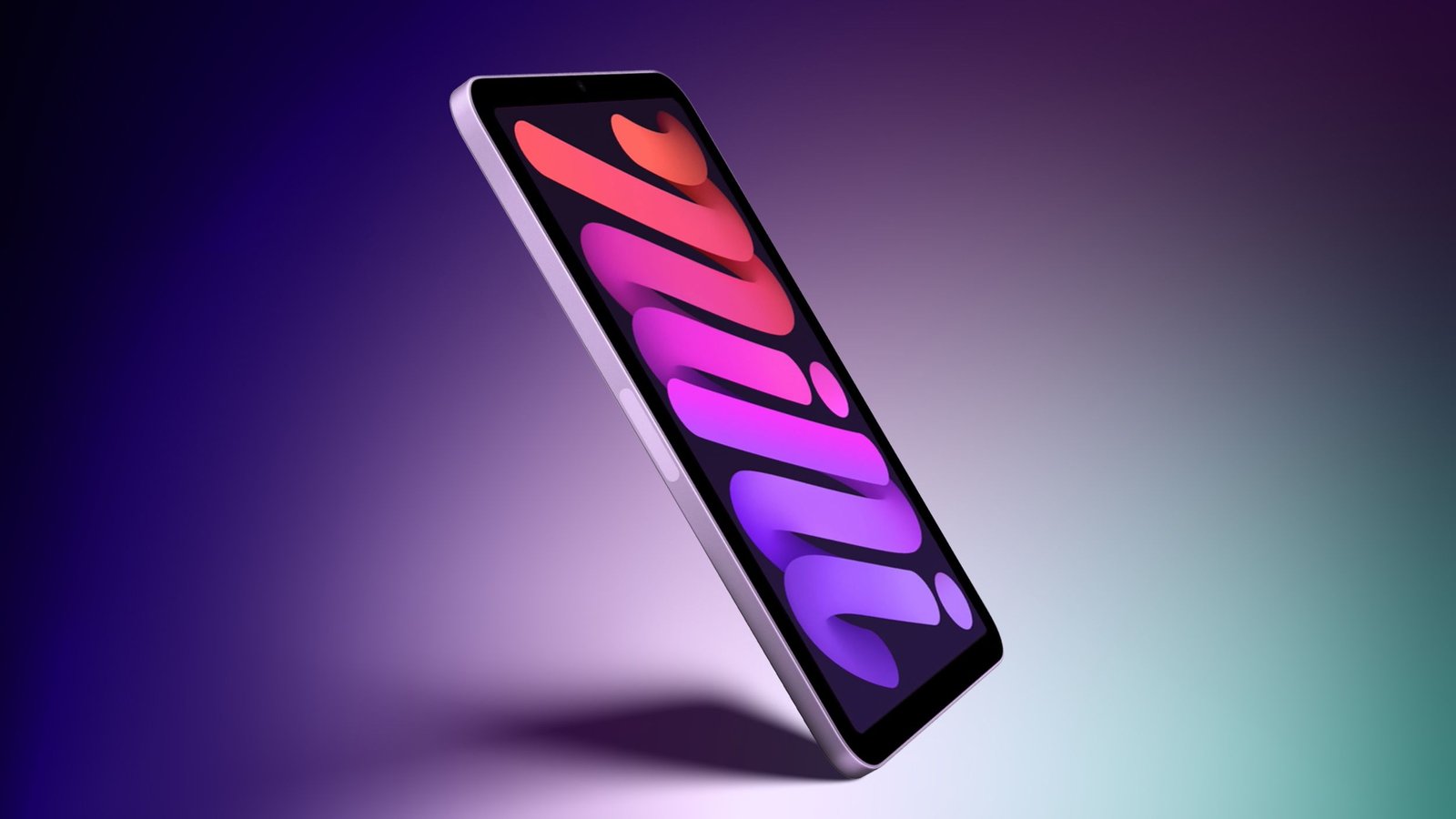
The most significant technical shift expected for the next-generation iPad mini—the iPad mini 8—is the integration of an OLED display panel. Moving away from traditional LED-backlit LCD technology, the shift to OLED represents a leap in visual fidelity for the compact tablet category. OLED panels provide self-emissive pixels, which translates to a theoretically infinite contrast ratio and deeper, more accurate black levels.
This transition is not merely cosmetic; it fundamentally alters the power management characteristics of the device. OLED displays are inherently more energy-efficient when rendering darker interfaces, which could significantly extend the battery life of the compact device. Furthermore, the adoption of this display technology is expected to facilitate a slimmer device profile. By removing the need for a separate backlight layer, Apple gains the internal space necessary to accommodate the A20 Pro chip, which is rumored to be the primary processing unit for the new unit. This combination of processing power and display performance positions the device as a professional-grade tool in a portable form factor.
Internal Hardware Upgrades and A20 Pro Performance
Beyond the display, the hardware architecture of the iPad mini 8 is receiving a comprehensive overhaul. Leaked code fragments from recent internal software builds confirm the presence of the A20 Pro chip. This processor, which will likely serve as the foundation for future smartphone and tablet performance, suggests that Apple intends for the mini to handle high-demand tasks such as real-time rendering, augmented reality applications, and sophisticated image processing.
The integration of the A20 Pro likely includes an upgraded Neural Engine, providing the bandwidth necessary for advanced machine learning tasks. This is essential for the current trajectory of integrated software features that rely on local inference. Additionally, the leaked technical documentation hints at a rearranged speaker system and a repositioned front-facing camera. By shifting the camera to a landscape orientation, Apple is signaling a move toward prioritizing productivity and video conferencing utility, acknowledging that many users rely on the iPad mini for office-adjacent tasks and creative collaboration.
Durability and Environmental Considerations
A notable inclusion in the emerging specifications for the iPad mini 8 is an improved water-resistant design. While previous iterations of the mini have lacked formal, high-grade ingress protection, the upcoming model is expected to provide greater resilience against environmental factors. This adjustment addresses a long-standing request from users who utilize the device in transit, outdoor environments, or field-work scenarios.
The regulatory documentation regarding the A3632 Smart Folio also highlights the company’s ongoing focus on material composition. As part of its broader environmental commitment, Apple’s new folio accessories are expected to incorporate a higher percentage of recycled materials. The case serves not just as a physical barrier for the device, but as an indicator of the design constraints required for the improved chassis. The water-resistant seals and the refined structural rigidity of the device represent a shift toward a more robust, long-term consumer product that prioritizes longevity and hardware reliability.
Market Impact and Future Trajectory
The launch of the iPad mini 8, paired with anticipated updates to the MacBook Pro line, reflects a tactical push by Apple to refresh its mobile hardware ecosystem before the end of the year. By consolidating its high-performance mobile silicon—the A20 Pro—into its smallest tablet, the company is effectively closing the performance gap between its handheld devices and its professional-grade laptops.
The impact of this update on the tablet market is expected to be significant. Many users have remained attached to the mini form factor for its portability, yet they have previously had to compromise on display quality and processor capacity. With the introduction of the OLED panel and a refreshed internal layout, the iPad mini 8 is set to become a distinct category leader. It provides a unique balance of portability and power that remains difficult for competitors to replicate. As the launch date approaches, the focus remains on whether these hardware changes will justify a higher price point, particularly given the shift to premium display technology and upgraded internal components. The regulatory filings confirm that the infrastructure for this launch is now fully in place.
Disclaimer: This content is auto-generated for informational purposes only.
Source: Read Original News