







Understanding the Economics of Gears of War: E-Day
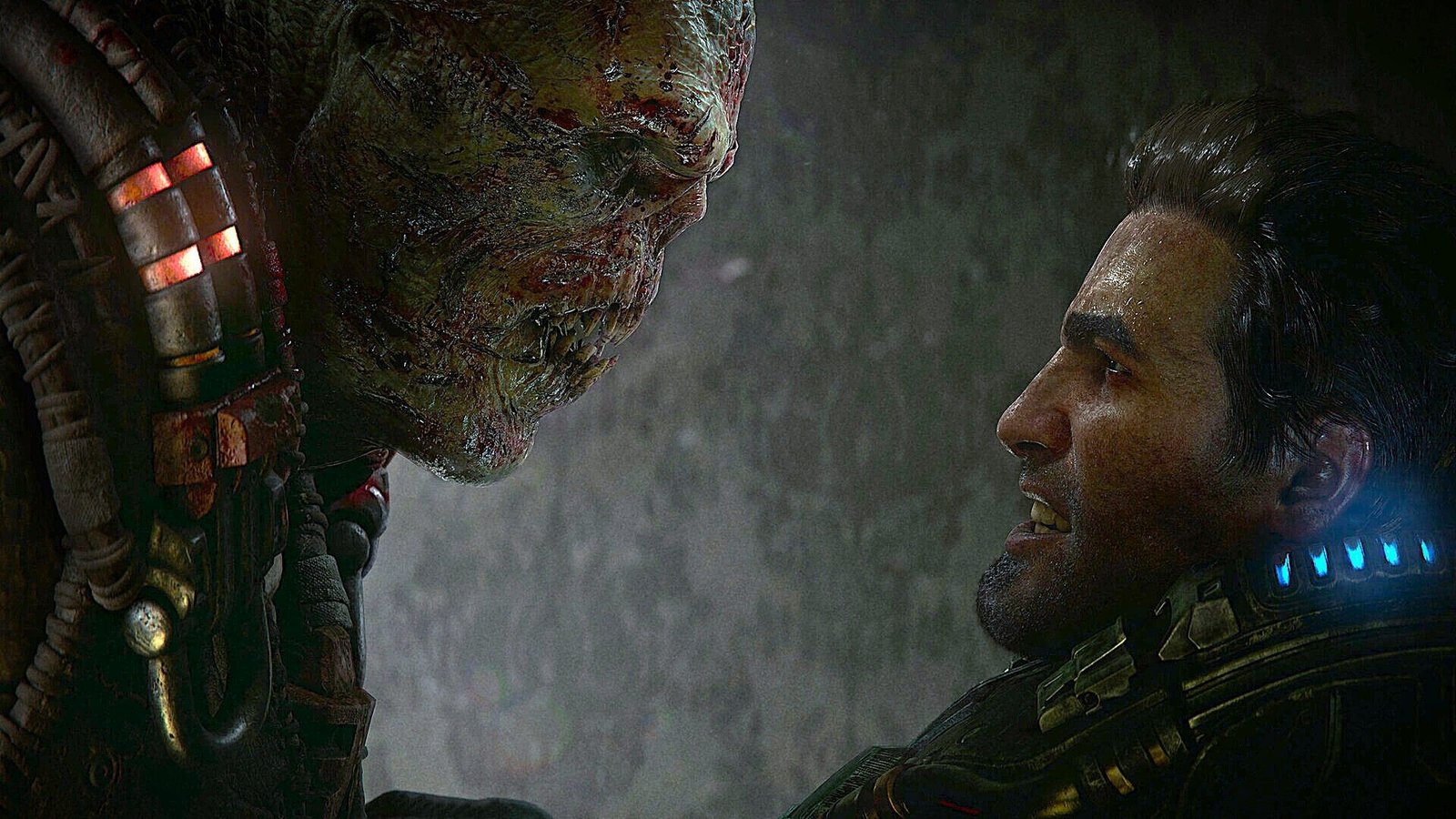
Recent discourse surrounding the release of Gears of War: E-Day has focused heavily on conflicting reports regarding its development budget and retail sales performance. Some industry analysts have cited a $500 million production cost, leading to critiques that the title failed to meet commercial expectations. However, this figure requires technical context to be properly understood. Much of this expenditure does not represent the direct cost of creating the game itself, but rather broad operational overhead. The Coalition, the studio behind the project, is tasked with maintaining and developing internal custom branches of the Unreal Engine. These technical investments support engine integration across the entire Xbox studio network, functioning as a necessary infrastructure burden rather than a singular game’s budget. Misinterpreting this internal research and development cost as the price of one game leads to a fundamental misunderstanding of modern software economics.
The Role of Xbox Game Pass Ultimate
A common criticism directed at the player base is that they failed to support the game through retail purchases. This argument overlooks the structural design of the Xbox ecosystem. With Game Pass Ultimate, subscribers pay a significant monthly fee, effectively pre-paying for a vast library of software. Expecting a subscriber who already invests over $275 annually to also pay a full $70 retail price for a day-one launch title is mathematically unreasonable for the average consumer. The value proposition of the subscription model is precisely that it eliminates the need to purchase individual $70 titles. Data from previous industry proceedings has shown that Game Pass subscribers actually spend 20% more money on gaming annually than non-subscribers, suggesting that the issue is not a lack of financial commitment, but rather a shift in how that capital is deployed within the ecosystem.
The Shift Toward Premium Add-on Revenue
The traditional $70 standalone license model is increasingly being supplanted by tiered monetization. While unit sales of the base game may appear lower than historical benchmarks, players are increasingly engaging with the ecosystem through premium editions and early-access upgrades. For many, paying $30 for a premium upgrade is a more palatable financial decision when the base experience is included in their subscription. This trend indicates that the $70 SKU is no longer the primary driver of engagement for first-party Xbox titles. Consumers have been conditioned to prioritize subscription-based access, which alters the metrics by which a game’s “success” should be evaluated. Relying on outdated quarterly sales charts ignores the reality that the primary revenue stream for many players now exists in the form of add-ons and service-based transactions rather than traditional box-copy retail.
Exclusivity as a Long-Term Strategy
Hardware momentum in the console market is rarely influenced by a single software release. While Gears of War: E-Day is a significant exclusive, a single title cannot reverse years of shifting market strategies overnight. Modern gaming demographics are increasingly defined by busy household finances and limited free time; a single game is rarely enough to justify the purchase of an entirely new console. Rebuilding brand confidence and hardware install bases is a process that requires a consistent, multi-year pipeline of high-quality, platform-exclusive content. For the Xbox ecosystem to see a meaningful shift in consumer behavior, it requires a sustained commitment to platform-defining pillars that provide value over a long-term duration rather than a short-term sprint.
The Risks of Premature Pivots
If Microsoft interprets the initial retail sales data as a definitive failure of its current strategy, it risks making further reactionary course corrections that could undermine its long-term goals. If the company shifts away from its current subscription-first model due to these misread market signals, it may struggle to regain the trust of the very audience it built this system for. The development of new intellectual properties and the management of major franchises like The Elder Scrolls require a stable environment to flourish. For Xbox, the path forward involves patience and a steadfast commitment to the ecosystem it has created, rather than reacting to the volatile nature of social media commentary. By continuing to provide high-value experiences, the company may eventually persuade the casual gaming demographic to re-evaluate their hardware preferences, provided the strategy is given sufficient time to deliver its full results.
Disclaimer: This content is auto-generated for informational purposes only.
Source: Read Original News