








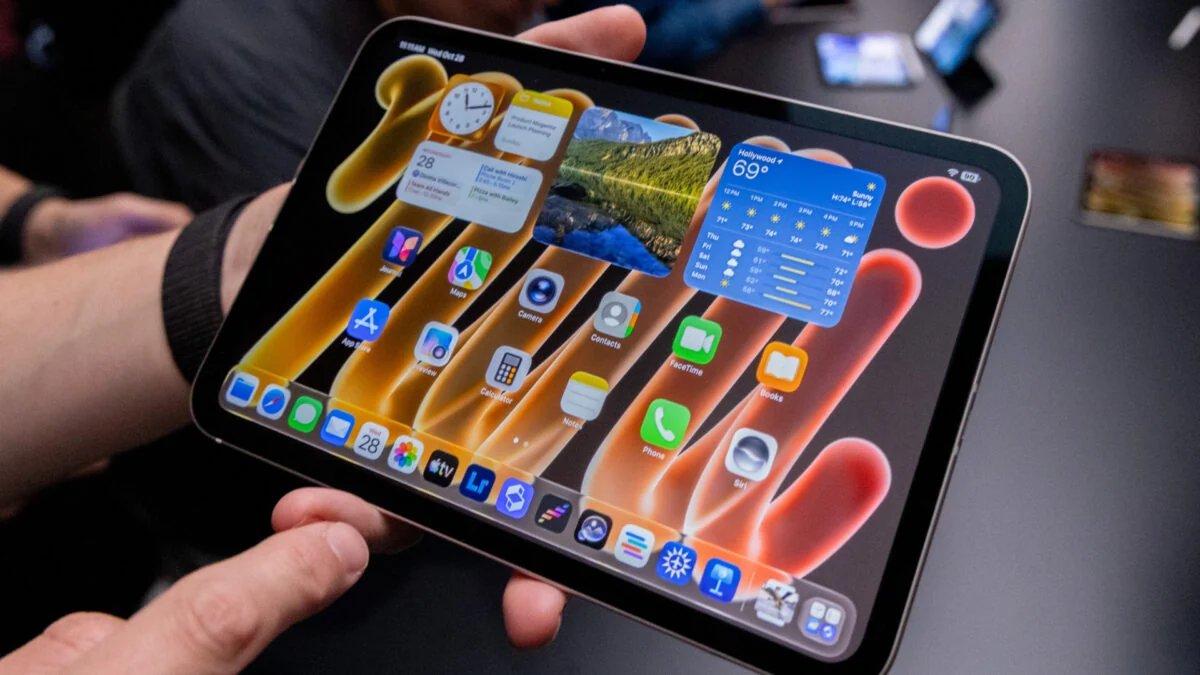
The latest iteration of the Apple iPad mini arrives with a significant architectural shift that refines its role as a specialized companion device. By transitioning to an 8.5-inch OLED display and incorporating the A20 Pro silicon, Apple has prioritized display fidelity and processing density within a chassis that is notably thinner than its predecessors. While the physical footprint remains familiar to those who have used the sixth and seventh-generation models, the internal engineering marks a departure from standard iterative upgrades.
Refining the Display and Physical Architecture
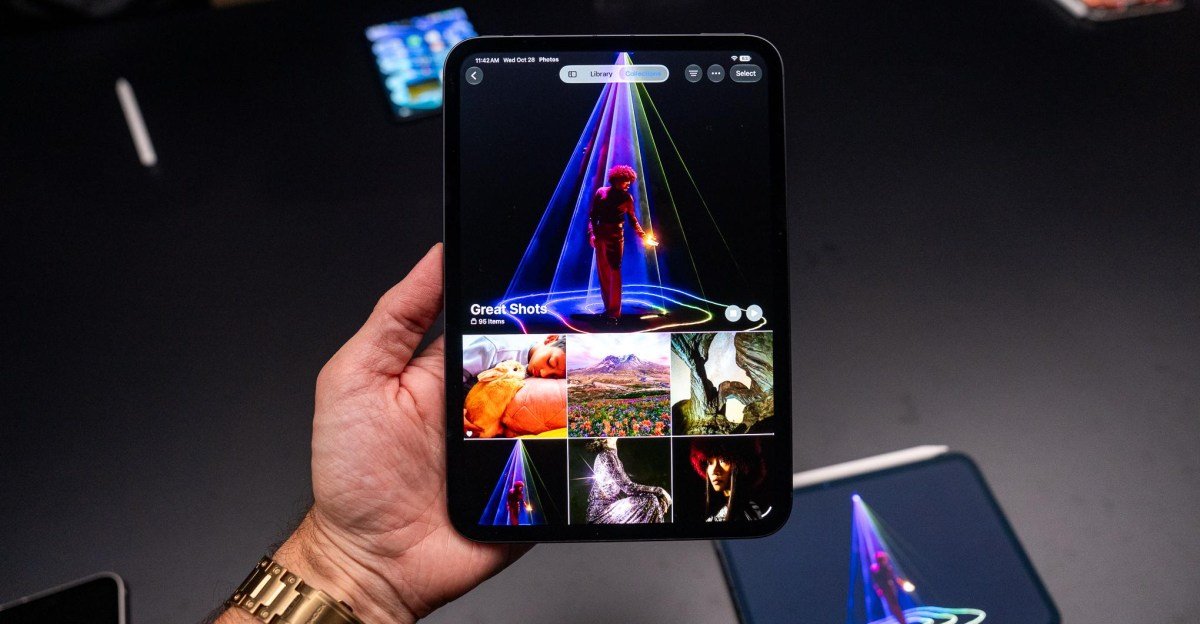
The most immediate change to the iPad mini is the shift to an OLED panel. This transition addresses long-standing critiques regarding contrast ratios and black levels inherent in previous LCD-based Liquid Retina designs. The new 8.5-inch display offers a peak brightness of 600 nits, which, while not utilizing the tandem OLED configuration found in the more expensive iPad Pro series, provides excellent clarity for typical tablet tasks.
Furthermore, Apple has managed to reduce the device’s thickness from 6.3mm to 5.4mm without increasing the overall chassis size. This reduction was facilitated in part by the removal of traditional speaker grilles. To compensate, the device employs an “Acoustic Display” system, where internal audio components are integrated beneath the screen. This design choice contributes to a higher degree of ingress protection, granting the device an IP67 water and dust resistance rating. The trade-off is a tactile one; users may notice physical vibrations in the chassis when audio is played at high volumes, a result of the sound projection through the display structure.
Silicon Disparity and Performance Tiers
The integration of the A20 Pro chip introduces a complex performance hierarchy. The base model, which starts with 128GB of storage, utilizes a binned version of the A20 Pro. This version features a reduced CPU core count and a scaled-down neural engine. In contrast, the 512GB model features the full-performance silicon identical to that found in the iPhone 18 Pro.
Despite this technical difference, both versions share an identical GPU configuration. Apple’s internal logic suggests that for the targeted use cases—light photo editing, note-taking, and mobile artificial intelligence tasks—the GPU performance is the primary bottleneck for visual fidelity. However, power users should note that the binned chip may exhibit a performance delta during sustained heavy computing tasks or complex local AI model execution.
Ergonomics and User Interface
Reducing the bezels on a device intended for handheld use often invites concerns regarding unintentional screen touches. The new design maintains a balance that allows for a secure grip while maximizing the active display area. The device is intended to function as an extension of the primary workstation rather than a replacement for it.
The move of the front-facing 12-megapixel camera to the landscape side of the device aligns the iPad mini with the aesthetic and functional standards of the M4 iPad Air and M5 iPad Pro. Because the iPad mini lacks a dedicated magnetic keyboard attachment system, this camera orientation is primarily beneficial for FaceTime calls held in landscape mode via a third-party or official Smart Folio case. For those focused on precision, the device supports the Apple Pencil Pro and the Apple Pencil USB-C, though users with legacy styluses will find them incompatible with the updated hardware interface.
The Role of Nano-Texture Technology
For users who frequently work in high-glare environments, Apple has introduced an optional nano-texture display coating. This matte layer is intended to diffuse ambient light, significantly reducing reflections. This feature is gated behind the 256GB and 512GB storage tiers and requires an additional $100 investment.
While it provides a surface texture that some users find more comfortable for long-form note-taking or sketching, it does slightly alter the perceived crispness of the OLED panel. This feature serves a niche purpose; it is highly effective for those operating outdoors or under direct, harsh lighting, but may offer diminishing returns for indoor users who prefer the inherent vibrancy of the glossy finish.
Market Positioning and Value Proposition
The iPad mini occupies a specific segment of the portable computing market. Priced at $699 for the 128GB entry point, it is positioned as a premium, high-performance accessory rather than a general-purpose laptop replacement. The omission of cellular connectivity as a standard inclusion means the total cost of ownership for a fully equipped mobile unit can rise quickly.
By combining the A20 Pro chip with a high-fidelity OLED screen, Apple is targeting a demographic that values portability above the sheer screen real estate of larger tablets. Whether the device represents a viable investment depends on the user’s reliance on a secondary screen for tasks that exceed the capabilities of a standard smartphone, yet do not require the overhead of a full-sized tablet. The transition to the A20 Pro and the improved display suggests that Apple intends for the iPad mini to remain a long-term device capable of handling future software updates for several years to come.
Disclaimer: This content is auto-generated for informational purposes only.
Source: Read Original News