








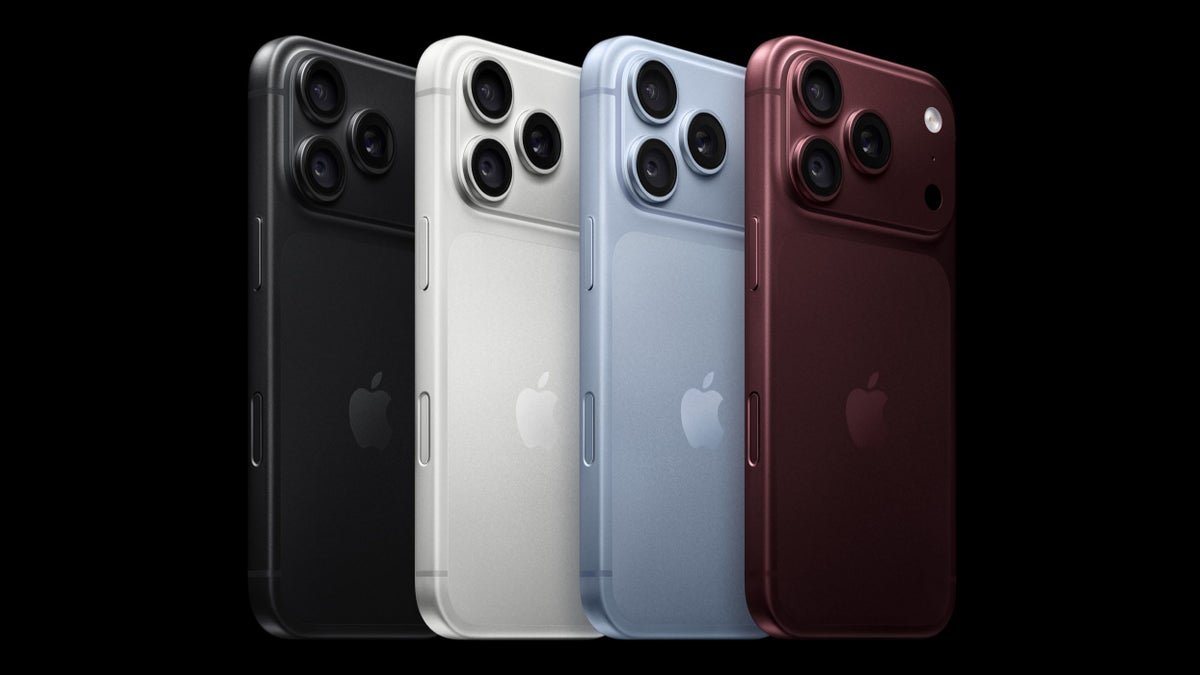
Analyzing the Current Market Trajectory for the iPhone 18 Pro
Recent supply chain reports and consumer data indicate a shift in the procurement cycle for the iPhone 18 Pro. While historical trends for flagship Apple hardware have often involved months of waiting periods due to high initial demand, current metrics suggest that the release cycle for this specific iteration is stabilizing more quickly than industry analysts predicted. Despite the brand’s long-standing reputation for scarcity at launch, prospective buyers are finding that delivery windows are narrowing significantly shortly after the product release.
This shift does not necessarily indicate a failure in the hardware itself, but rather suggests a maturation in manufacturing efficiency and a potential plateau in the aggressive upgrade cycle that characterized previous years. As the manufacturing processes reach higher yields, Apple has successfully managed to balance the output of its sophisticated semiconductor components with global consumer interest. For the end user, this means that the barrier to entry has lowered, moving from a multi-month ordeal to a matter of weeks or even days.
Technological Advancements and Hardware Integration
The iPhone 18 Pro represents a significant refinement in integrated hardware. At the core of the device lies an updated architecture that emphasizes power efficiency over raw, unthrottled performance. By utilizing a more advanced lithography process, the system-on-a-chip architecture reduces heat dissipation issues that plagued earlier models while simultaneously extending battery longevity. This architectural choice addresses the primary complaints from power users who frequently engage in high-demand tasks such as 8K video rendering or console-grade mobile gaming.
Furthermore, the display technology has seen a transition toward more resilient materials. By incorporating a refined ceramic-shield matrix, the screen exhibits superior scratch resistance without compromising the high-refresh-rate capabilities that users expect from the Pro series. The integration of these components requires a highly complex assembly line, which traditionally creates a bottleneck. However, the current ability to maintain steady inventory levels suggests that the integration of these materials into the production line has reached a state of high stability, minimizing the defects that typically slow down manufacturing during the early stages of a rollout.
Software Synergy and AI Processing Capabilities
Beyond the physical hardware, the value proposition of the iPhone 18 Pro is heavily tied to its software ecosystem. The device leverages a neural engine designed specifically to handle complex machine learning tasks locally on the silicon. This shift toward edge computing is crucial for data privacy and latency reduction. Tasks such as real-time computational photography, natural language processing for personal assistants, and on-device image recognition are handled with minimal battery drain because the data never needs to be routed through a cloud-based server.
This deep integration between software and hardware creates a cohesive user experience that is difficult for competitors to replicate. The operating system utilizes the device’s specific sensor array to optimize battery consumption dynamically. For instance, the hardware is capable of adjusting its refresh rate and radio frequency transmission based on the specific application in use, ensuring that the device is only consuming significant power when necessary. This level of optimization ensures that the performance remains consistent throughout the life of the product, preventing the degradation often associated with less integrated systems.
Impact on Consumer Behavior and Upgrade Cycles
The current market environment reflects a broader trend toward more conservative consumer spending regarding personal electronics. Many users are finding that the incremental improvements in the iPhone 18 Pro—while impressive from a technical standpoint—are not always compelling enough to justify the cost of an immediate upgrade from a two-year-old device. This is a testament to the longevity of the previous hardware generations, which continue to perform adequately under modern software demands.
Consequently, the moderate demand for the new Pro models has created a cooling effect on the secondary market. Buyers are increasingly discerning, focusing on specific feature sets like optical zoom capabilities, satellite connectivity, and integrated hardware security features rather than broad, undefined improvements. As the urgency to acquire the latest technology diminishes, the supply chain is no longer under the same extreme pressure to prioritize speed over quality, which in turn leads to a more consistent experience for those who do choose to purchase the device.
Future Outlook for Premium Mobile Hardware
Looking ahead, the trajectory for the iPhone 18 Pro series provides insight into the future of premium mobile hardware. As the industry approaches the limits of what can be physically achieved in a handheld form factor, manufacturers are pivoting toward software-defined features and long-term sustainability. This includes better repairability protocols and extended software support windows, which increase the overall utility of the hardware over time.
The stabilization of the iPhone 18 Pro availability is a positive development for the ecosystem. It demonstrates that the manufacturing sector has successfully scaled to meet a global demand that, while no longer characterized by a frenzy, remains high in volume. As Apple continues to iterate, the focus will likely remain on refining these existing technologies to maximize efficiency. For the consumer, this signifies a transition toward a more predictable market where the latest hardware is accessible without the need for extreme planning or significant wait times, solidifying the device’s place as a reliable tool rather than a speculative asset.
Disclaimer: This content is auto-generated for informational purposes only.
Source: Read Original News