








UAE’s ‘Spy Sheikh’ Revealed as Major Backer of Trump Family Crypto Bank
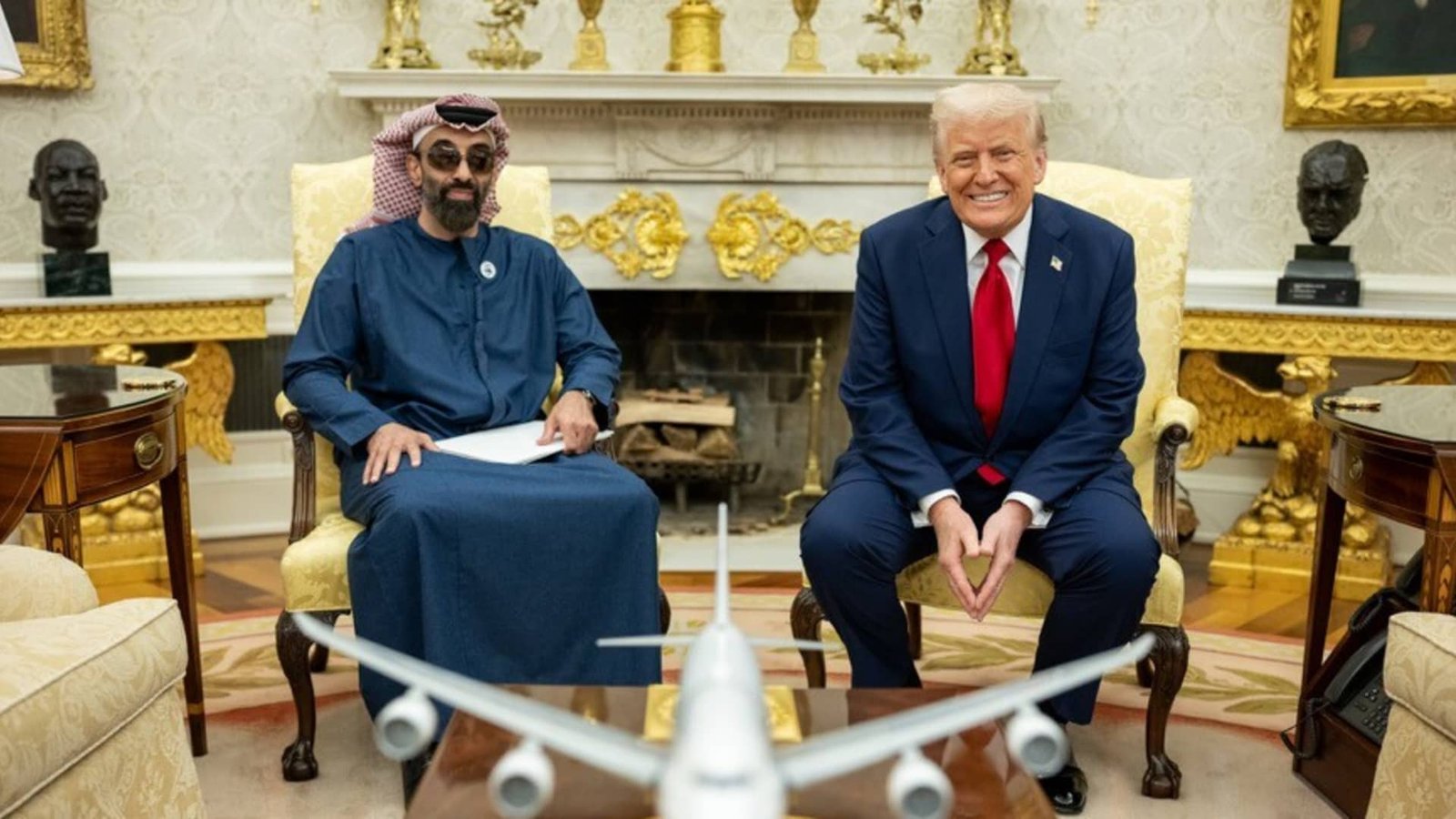
A high-ranking United Arab Emirates official, long dubbed the “spy sheikh,” has emerged as the primary stakeholder in the holding company behind the Trump family’s planned cryptocurrency bank. This development marks a significant deepening of financial ties between the UAE’s leadership and the Trump business empire, according to a recent report by The Wall Street Journal.
Sheikh Tahnoon bin Zayed al Nahyan, who serves as the UAE’s national security advisor and is the brother of the country’s president, is the key figure behind StringZ Holding RSC. According to records, StringZ owns a 49% stake in WLTC Holdings, the entity established to oversee the new crypto bank. An entity affiliated with the Trump family maintains a 38% stake in the same venture.
Expanding Financial Ties
The investment is the latest in a series of financial entanglements between the UAE official and the Trump family. In January 2025—the month President Donald Trump began his second term—Sheikh Tahnoon and his co-investors funneled $500 million into World Liberty Financial, a Trump-backed crypto firm. That transaction reportedly directed $263 million directly to Trump family entities, as noted in the president’s 2025 annual financial disclosure.
These deals arrive as Trump’s broader business portfolio sees a windfall from international sources. During the first year of his second term, the president’s businesses generated at least $59.5 million in foreign licensing revenue, highlighting a trend of international capital flowing into the Trump brand while he holds executive office.
Regulatory Progress and Scrutiny
The proposed crypto bank, linked to the World Liberty brand, recently received preliminary conditional approval from the Office of the Comptroller of the Currency to operate as a federally chartered national trust bank. The institution’s primary mandate would be to issue and safeguard USD1, a dollar-backed stablecoin. However, the project must meet stringent additional regulatory criteria before it can begin operations.
The arrangement has drawn significant scrutiny from ethics experts and political observers, particularly due to the convergence of the bank’s ownership and ongoing geopolitical negotiations. The Trump administration has been actively involved in discussions with the UAE regarding the sale of advanced U.S. artificial-intelligence chips. Specifically, the administration approved significant chip sales to G42, a state-backed AI firm controlled by Sheikh Tahnoon, and recently eased export restrictions on the technology.
Defense of the Venture
In response to the growing concerns, a spokesman for World Liberty, David Wachsman, insisted the firm operates independently of political influence.
“World Liberty is a private American financial technology company, not a political organization,” Wachsman stated, adding that the trust company maintains separate governance. “No one at World Liberty works for the U.S. government, and there are no conflicts of interest. The company neither seeks nor receives special treatment.”
When asked for comment, the White House did not immediately respond. Historically, the administration has maintained that the president acts solely in the interest of the American public and has consistently denied the existence of conflicts of interest regarding his private business ventures.
As the UAE spy sheikh continues to play a central role in the financing of these ventures, the debate over the intersection of foreign policy and the president’s personal financial interests remains a focal point for critics and oversight bodies alike.