







Europe Crowned World’s Fastest-Warming Continent, Urgent Action Demanded
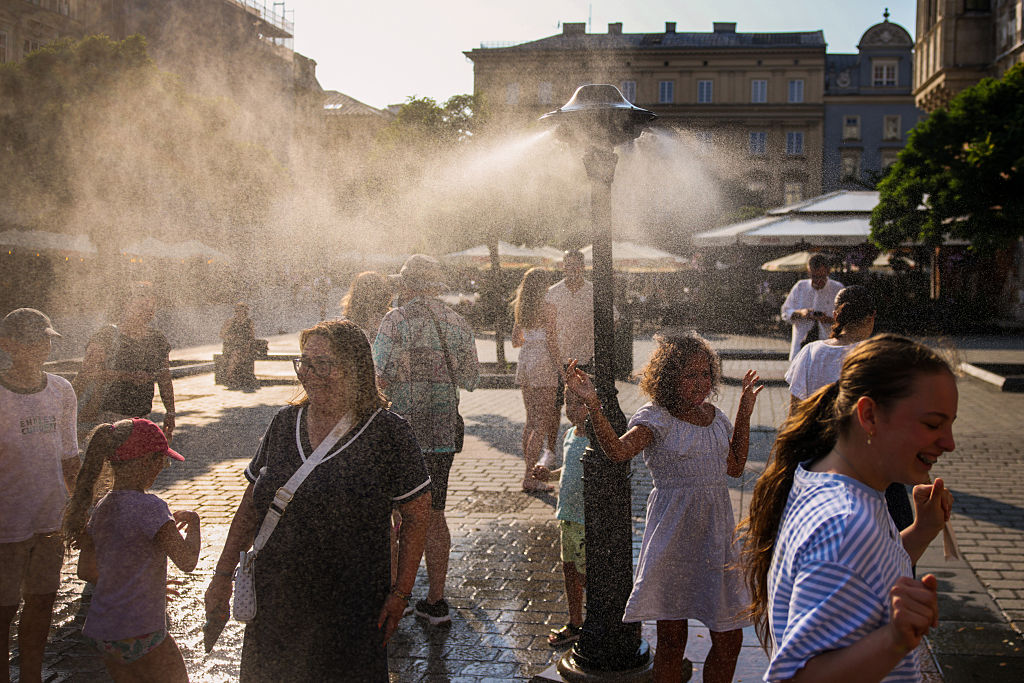
A visual representation hinting at the escalating climate crisis across Europe. (Credit: GettyImages-2288605239)
BRUSSELS, BELGIUM – A stark and alarming reality has emerged from the latest climate assessments: Europe has been officially designated as the world’s fastest-warming continent. This critical finding underscores the urgent need for intensified climate action and adaptation strategies across the continent, affecting everything from policy-making to daily life.
The revelation, based on comprehensive data analysis from leading meteorological and environmental agencies, highlights an unprecedented rate of temperature increase across Europe compared to other global landmasses. While the entire planet is grappling with the pervasive effects of climate change, Europe’s trajectory appears to be significantly steeper, presenting unique challenges and demanding a proportionally robust response.
“The data is unequivocal. Europe’s vulnerability to climate change is manifesting at an accelerated pace, outpacing global averages,” stated Dr. Anja Schmidt, a senior climatologist involved in the assessment. “This is not merely a statistical anomaly; it represents tangible impacts on ecosystems, economies, and human health, which are already being observed and are projected to intensify.”
Unpacking the Accelerated Warming Trend
Several factors are believed to contribute to Europe’s accelerated warming. Its geographical location, latitudinal position, and complex atmospheric circulation patterns interact with anthropogenic greenhouse gas emissions to amplify temperature increases. The continent’s dense population and highly industrialized economies also play a role in both contributing to and being impacted by these rapid changes.
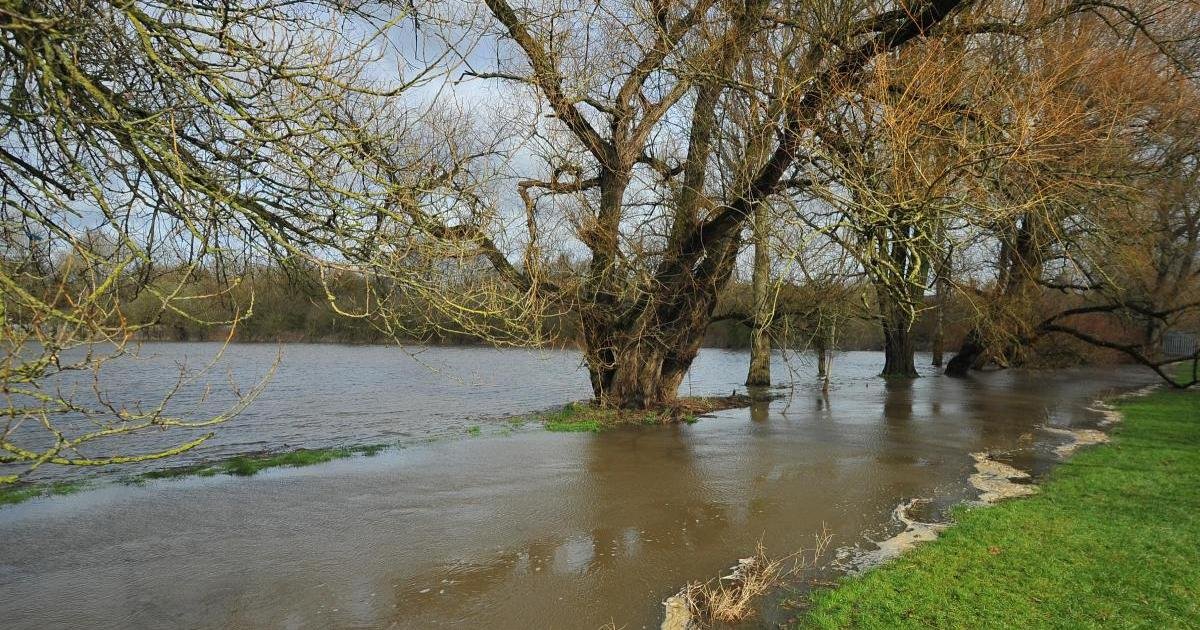
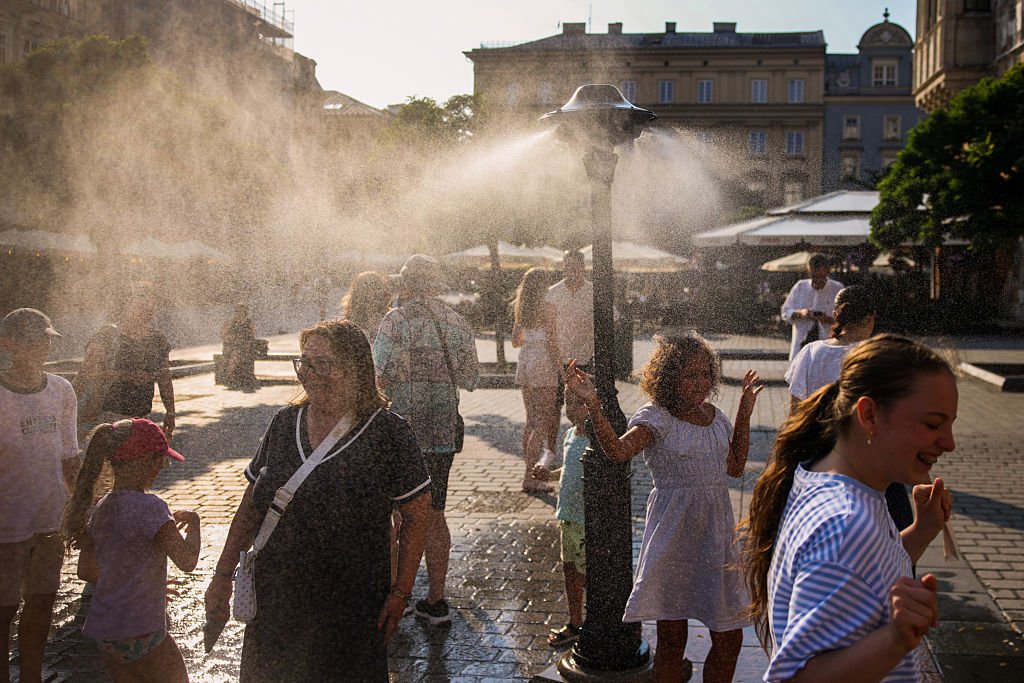
The consequences of this accelerated warming are far-reaching. Scientists point to an increase in the frequency and intensity of extreme weather events, including devastating heatwaves that have shattered temperature records, prolonged droughts impacting agricultural productivity and water resources, and more powerful storms leading to widespread flooding and infrastructure damage. Alpine glaciers are melting at an alarming rate, threatening freshwater supplies and contributing to sea-level rise.
Economic and Societal Repercussions
The economic ramifications of Europe’s rapid warming are substantial. Sectors such as agriculture, tourism, and energy are particularly vulnerable. Crop yields are becoming increasingly unpredictable, threatening food security and farmers’ livelihoods. Popular tourist destinations face altered landscapes and environmental degradation. The demand for cooling energy surges during heatwaves, straining power grids and contributing to further emissions.
Beyond economics, public health is a growing concern. Heat-related illnesses and fatalities are on the rise, particularly among vulnerable populations. The changing climate also influences the geographical spread of vector-borne diseases, introducing new health challenges to regions previously unaffected.
Call for Decisive Action
In response to these dire findings, political leaders and environmental organizations are reiterating calls for immediate and decisive action. The European Union has positioned itself as a global leader in climate policy with initiatives like the European Green Deal, aiming for climate neutrality by 2050. However, the new data suggests that the pace and scale of these efforts may need to be significantly escalated.
Key areas for intensified focus include accelerating the transition to renewable energy sources, enhancing energy efficiency across all sectors, investing in climate-resilient infrastructure, and implementing robust adaptation strategies to protect communities and natural ecosystems. International cooperation and shared knowledge will also be crucial, as climate change transcends national borders.
“Europe’s status as the fastest-warming continent serves as a stark warning not just for its inhabitants, but for the entire world,” commented a spokesperson for the European Environment Agency. “It underscores the universal urgency of the climate crisis and the imperative to translate ambitious targets into concrete, transformative actions without delay.”
As the continent grapples with the implications of this unsettling designation, the coming years will be critical in determining whether Europe can effectively mitigate the escalating threats and adapt to a rapidly changing climate, setting a precedent for global climate leadership in an era of unprecedented environmental challenge.