







Pixel 11 Pro: A Week In Reveals Both Love and Lingering Doubts
Mountain View, CA – A week after its highly anticipated launch, the Google Pixel 11 Pro has captivated many, including this reviewer, with its familiar excellence, yet simultaneously raised significant concerns about the direction of Google’s flagship smartphone line. While the device, available in models like the Pixel 11 Pro XL and Pixel 11 Pro Fold, offers a genuinely enjoyable user experience, the innovations meant to define this generation appear to be a mixed bag of unfulfilled potential and frustrating shortcomings.
The reviewer, having spent a full seven days with the Pixel 11 Pro as their primary Android device, enthusiastically admits to "loving" the phone. However, this affection stems primarily from the enduring strengths of the Pixel ecosystem rather than its touted new features. This paradox highlights a growing fear: Google’s strong foundation, while still effective in 2026, seems to be masking a lack of clear vision for future innovation.
HiLight: A Blinding Flop
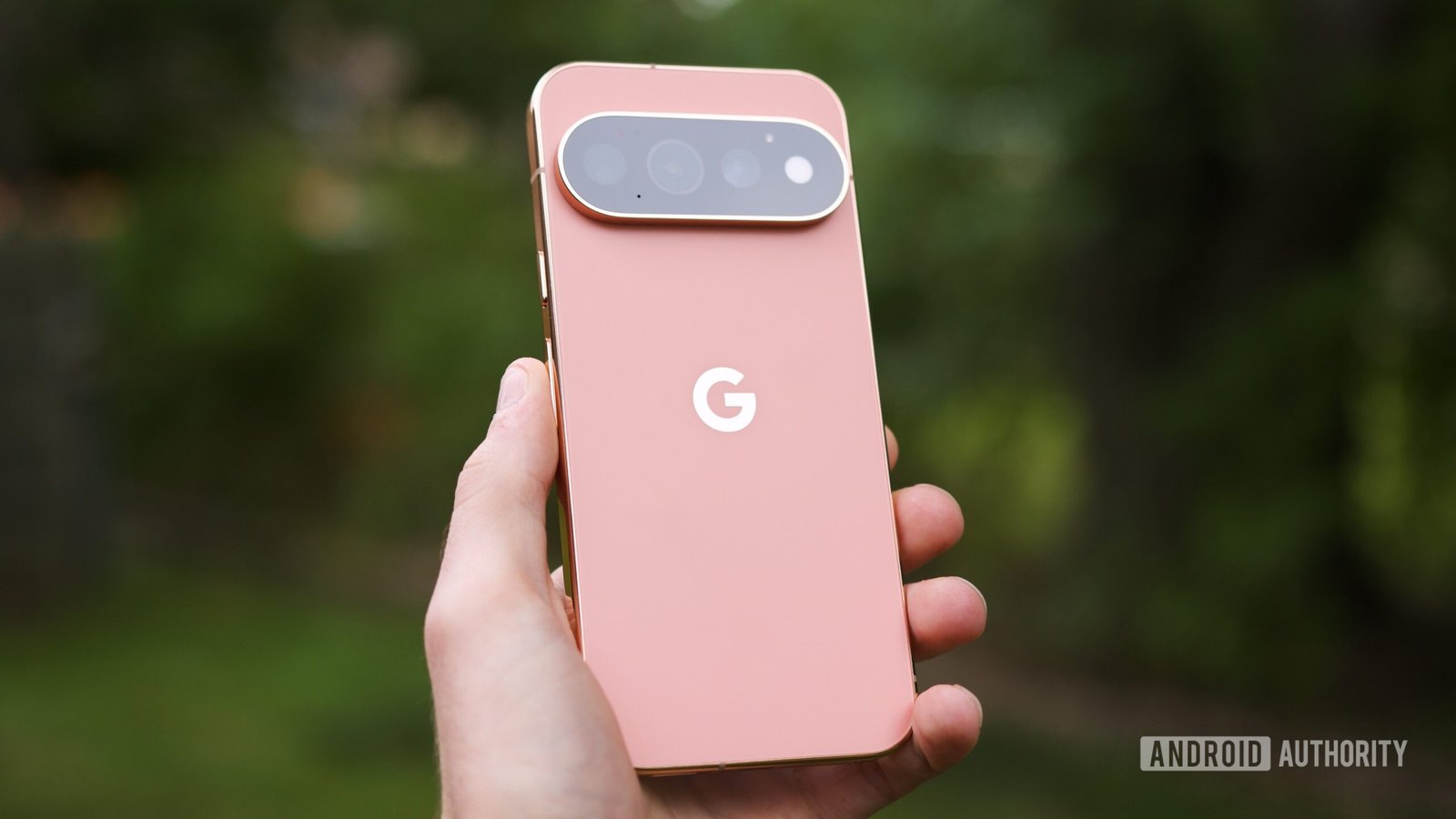
The most prominent new hardware feature, and the centerpiece of Google’s marketing campaign, is HiLight. This glowing, multicolored light on the back of the device is heavily featured in Google Store promotions and advertising. In theory, HiLight should be a compelling reason to purchase the Pixel 11 Pro, offering a modern twist on the classic notification LED. The reality, however, is far less impressive.
As it currently stands, HiLight’s functionality is severely limited. Users can assign one of five colors to favorite contacts, causing HiLight to glow with the chosen hue when they call. Additionally, if the phone is face down and the Gemini AI is summoned, HiLight pulses to indicate listening and response. Beyond these two narrow applications, HiLight remains dormant. It does not integrate with common messaging apps like Gmail, Telegram, Slack, Google Messages, or Instagram, rendering it largely useless for general notifications.
While Google may introduce further functionality through future updates, the current state of HiLight is a significant disappointment. It’s perceived as a missed opportunity, especially given that it replaced the controversial thermometer feature from previous models. This initial rollout suggests a glaring misstep in execution, leaving many to wonder how Google "fumbled HiLight this badly."
Software Innovations: A Mixed Bag of Brilliance and Bluster
Beyond HiLight, the Pixel 11 Pro introduces a suite of new software features, typical of Google’s annual updates. The experience with these has been decidedly uneven.
One standout success is Rambler, the new voice texting feature integrated into Gboard. Unlike traditional dictation that transcribes every word, Rambler intelligently understands context, ignoring conversational fillers like "ums" and "uhs." It also allows for real-time editing, enabling users to delete words or restart dictation from a specific point. For simple messages, Rambler performs similarly to standard voice detection, but for longer dictations, such as writing an email, its capabilities are described as "magical." The ability to control the text flow and even indent for new paragraphs through voice commands is a significant leap forward, despite the current limitation of not seeing the text output until the session ends.
However, other new software features have not fared as well. Camera Looks, mirroring Apple’s Photographic Styles, allows users to apply preset (and customizable) styles to photos before capture, adjusting colors, contrast, and shadows. While offering distinct appearances, early impressions suggest a tendency for Camera Looks, with the exception of the "Original" setting, to "completely blow out the highlights." This issue, observed across various test photos, points to a potential problem with Google’s HDR processing when these new styles are applied. While fine-tuning options exist, the initial experience indicates that Camera Looks are not the "quick fix to overly desaturated Pixel photos" some had hoped for.
Magic Capture, a feature designed to automatically snap photos while recording video, has yet to find its natural place in the reviewer’s daily usage. Its potential is noted, but its practical integration into everyday life remains elusive.
Then there’s the pervasive presence of Gemini and its "Proactive Assistance" features, an expanded version of the Pixel 10’s "Magic Cue." Upon booting up the Pixel 11 Pro, users are prompted to enable these features, which theoretically surface relevant information and actions based on on-screen content – for instance, suggesting a Google Maps link when a restaurant is mentioned in a text. Unfortunately, much like its predecessor, Proactive Assistance has not proven useful during the first week of use. Despite its promise, the feature has primarily offered unhelpful text suggestions within Gboard while using other apps, failing to provide the seamless, contextual assistance it purports to deliver. The sentiment is that users "shouldn’t have to change the way I use my phone for a software feature to work – it should just work," a standard the current implementation falls short of.
The Enduring Appeal of the "Pixel Experience"
Despite these criticisms of new features, the reviewer’s enjoyment of the Pixel 11 Pro remains high, largely due to the device’s adherence to the established "Pixel experience." Core functionalities that have defined Pixel phones for years continue to impress:
- Now Playing: The ability to see what song is playing on the lock screen is still regarded as "one of the most clever and magical software experiences on any smartphone."
- Scam Detection: Google’s robust spam call and text filtering significantly reduces unwanted communication, outperforming competitors.
- At a Glance: This feature consistently delivers timely reminders for calendar appointments and other important information.
- Pixel Screenshots: The comprehensive screenshot tools have become an indispensable feature.
These "little features and goodies" that Google has woven into its phones since the original Pixel in 2016 continue to be the bedrock of the brand’s appeal, making the Pixel 11 Pro a deeply satisfying device to use.
A Precarious Position for the Pixel Line
While the foundational Pixel experience is undeniably strong, the consistent underperformance of new features raises serious questions about Google’s future trajectory. "Magic Cue was largely a dud — and the new Proactive Assistance doesn’t seem to be meaningfully better." Last year’s "Daily Hub" feature was so poorly received it was scrapped before a full release. Even promising features like Camera Looks and Magic Capture, while interesting, lack a transformative impact.
This trend suggests that the Pixel 11 Pro is "resting on the laurels of its predecessors" to maintain its appeal. Coupled with concerns about "Google’s stagnating hardware," the Pixel series appears to be in a precarious position.
In conclusion, while the Pixel 11 Pro offers a deeply enjoyable user experience built on years of refined software and practical features, its newest, most heavily advertised innovations have largely failed to deliver. This dichotomy leaves observers loving the familiar while questioning Google’s ability to innovate meaningfully, casting a shadow of uncertainty over the future of the Pixel line. "I just hope Google knows how to get out of it," the reviewer muses, encapsulating the underlying anxiety for Pixel enthusiasts.