







Trade War Escalates: Canada Vows Retaliatory Tariffs After US Negotiations Collapse
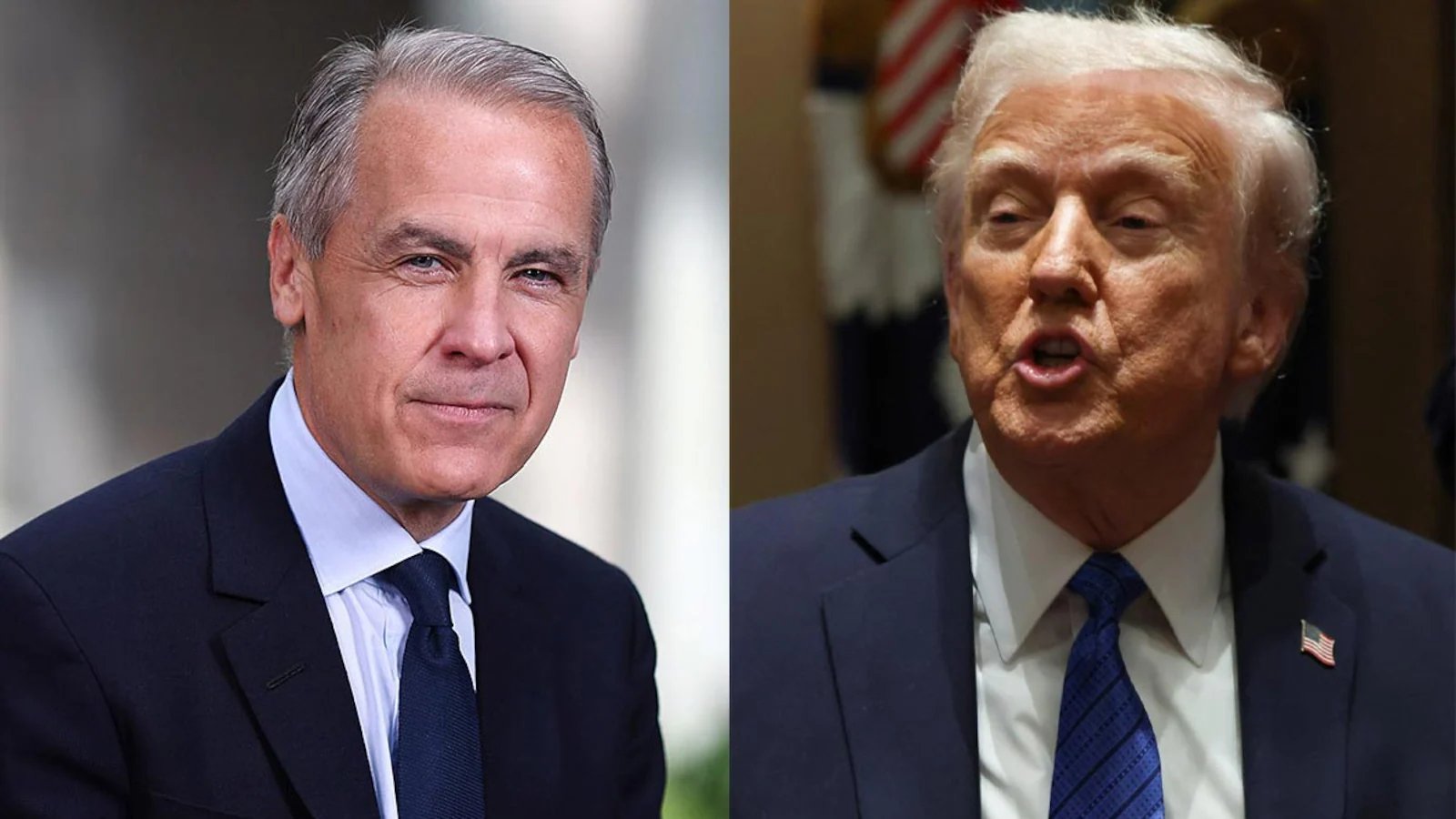
WASHINGTON — A long-standing economic partnership faces its most precarious moment in decades following the sudden collapse of trade negotiations between Washington and Ottawa on Friday. Canadian Prime Minister Mark Carney has declared that the breakdown was the result of a "bad trade deal" proposed by the United States, vowing that Canada will respond with "dollar for dollar" retaliatory tariffs.
The breakdown in talks has cleared the way for the imposition of sweeping new 50-percent US tariffs on approximately $20 billion worth of Canadian goods. The levies, which impact everything from industrial cement to consumer goods like hockey sticks, represent roughly 5.5 percent of total Canadian exports to the United States.
"We Got Attacked"
Prime Minister Carney did not mince words when addressing the failure of the talks, characterizing the move by the Trump administration as an act of economic aggression.
"You’re at war when you get attacked. We got attacked," Carney said, accusing the US of launching a full-scale trade war. The Prime Minister emphasized that his government had approached the negotiations with patience and pragmatism, but could not accept terms he described as "uneconomic" and "unfair."
"We cannot accept what they’ve offered, and we will not give what they’ve asked," Carney stated, noting that the US proposal threatened the foundational benefits of the cross-border trade relationship.
A Tit-for-Tat Response
In a post to social media on Saturday, Carney confirmed that Canada would implement its own counter-measures. "Canada will match the U.S.’ new tariffs dollar for dollar in order to protect Canadian workers, farmers, families, and businesses," he wrote, framing the retaliatory tariffs as a necessary step to safeguard the domestic economy.
The Canadian government has signaled that its initial response will specifically target the American steel and dairy industries. These retaliatory measures are set to take effect on September 8, with the Prime Minister’s office promising to release further technical details next week.
Conflicting Narratives
The failure of the talks marks a sharp pivot from the rhetoric emanating from the White House. Despite the escalation, President Trump had previously expressed optimism, citing his "good relationship" with Carney and suggesting that a deal should have been within reach.
On the other side of the negotiating table, US Trade Representative Jamieson Greer defended the American position, asserting that Washington had put forward a robust proposal. Greer claimed that the US offered "significant tariff reductions on steel, aluminium, autos and lumber" as a gesture of goodwill, contingent upon Canada granting concessions in other areas.
However, the White House has maintained that Canada’s previous trade practices constituted "discriminatory treatment" against American exports, specifically citing friction regarding automobile, alcohol, and dairy products.
Economic Fallout
For Canada, the stakes are high. The country has been reeling from a series of US-imposed duties on its steel, aluminum, and auto sectors—industries that serve as the backbone of the Canadian economy. The ongoing strain has already resulted in job losses and raised concerns about the future of what was once considered an "iron-clad" trade relationship.
As both nations prepare for a period of economic volatility, the rhetoric from Ottawa suggests that the Prime Minister is prepared for a prolonged confrontation rather than accepting a deal he views as detrimental to Canadian interests.