









India’s Export Surge: Nation Targets Historic $500 Billion Milestone Amid 15% Growth
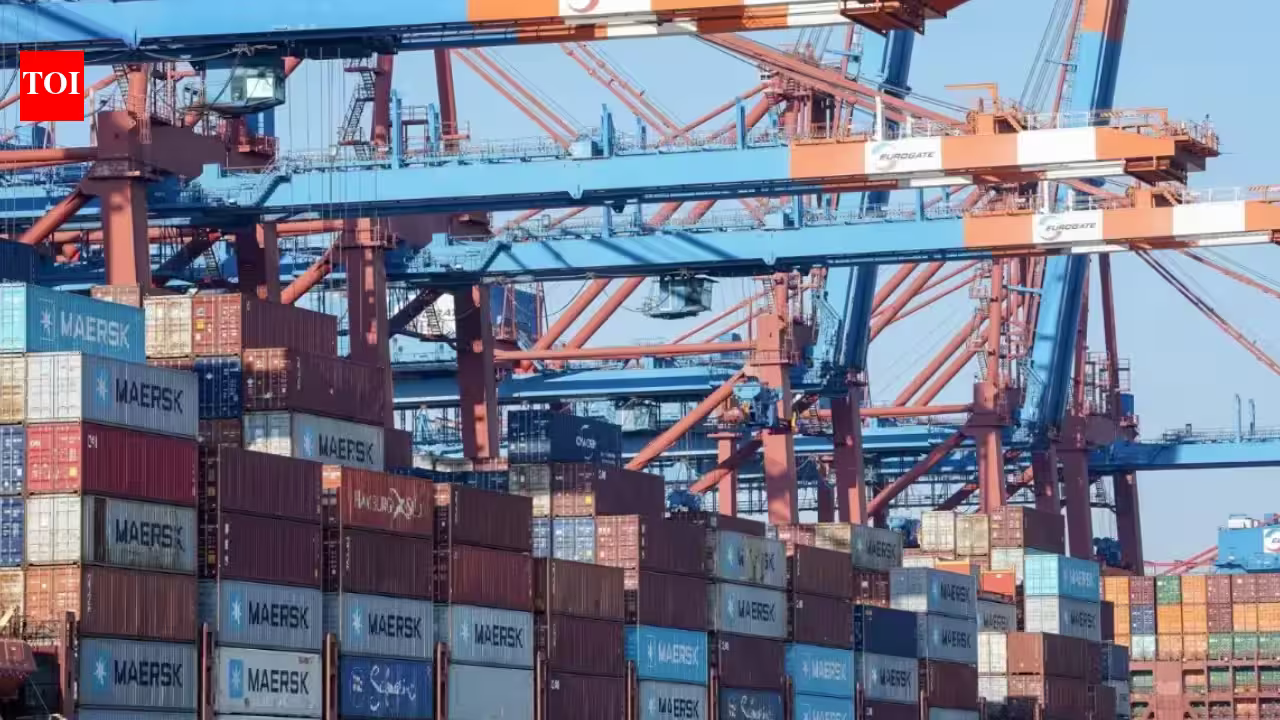
NEW DELHI: India’s trade sector is signaling a period of robust expansion, with the country’s merchandise shipments surpassing the $200-billion mark for the current financial year as of August 21. Driven by a consistent growth rate exceeding 15%, the government is increasingly optimistic that India could breach the $500-billion threshold for goods exports for the first time in a single fiscal year.
According to government officials familiar with the latest trade data, exports for the third week of August alone eclipsed the $25-billion mark. This momentum aligns with the ambitious vision laid out by Union Minister for Commerce and Industry Piyush Goyal, who has set a monumental goal of reaching a combined $1-trillion target for both goods and services exports.
Growth Drivers and Market Performance
The current export surge is broad-based but relies heavily on specific high-growth sectors. Petroleum products remain a cornerstone of this performance, while the electronics sector—buoyed by a massive uptick in mobile phone manufacturing and exports—has emerged as a major powerhouse. The engineering goods sector has also contributed significantly to the upward trajectory.
Data released by the Engineering Export Promotion Council (EEPC) India underscores this strength, showing that engineering shipments in July reached $12.2 billion, an 18% increase compared to the previous year. While most markets have shown healthy demand, exports to destinations like Saudi Arabia have faced headwinds due to regional geopolitical tensions in West Asia. Conversely, India has seen marked growth in shipments to China, Southeast Asia, and various African nations during the April-July period.
Currency Tailwinds and Import Challenges
Market analysts point to the recent weakening of the rupee against the US dollar as a key competitive advantage. By making Indian exports more affordable in international markets, the currency depreciation has effectively strengthened the price competitiveness of domestic goods against regional rivals.
However, the trade balance remains sensitive to global inflationary pressures on the import side. The cost of essential commodities, particularly crude oil and fertilizers, continues to exert pressure on the national exchequer. Additionally, the fluctuating price of gold remains a persistent variable in the import equation, even as shipment volumes saw some moderation during the month of July.
As India looks to solidify its position in the global supply chain, the sustained performance in these diverse sectors suggests that the nation is well-positioned to maintain its economic momentum despite lingering global uncertainties. The recent data highlights that India’s goods exports remain a critical engine of the country’s broader macroeconomic success story.