








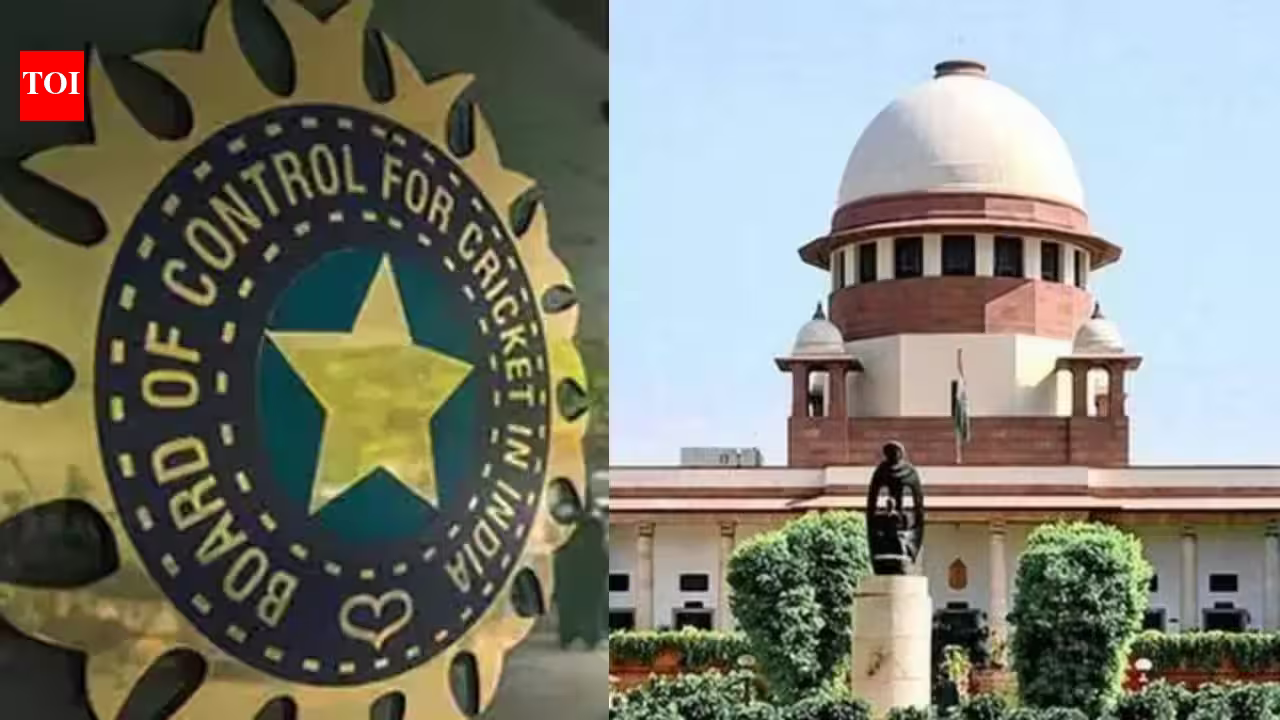
NEW DELHI — The era of the Supreme Court acting as cricket’s de facto administrator may finally be drawing to a close. In a significant development that could reshape the landscape of Indian cricket, the Supreme Court of India on Tuesday signaled its intent to offload the perpetual cycle of litigation that has plagued the Board of Control for Cricket in India (BCCI) and its state affiliates for over a decade.
A bench led by Chief Justice of India Surya Kant, alongside Justices Joymalya Bagchi and V. Mohana, issued a pointed inquiry, asking the BCCI and its regional bodies to show cause as to why they should not be brought under the ambit of the National Sports Governance (NSG) Act, 2025. This move marks a pivotal shift in the judiciary’s stance toward the world’s wealthiest cricket organization, moving away from micro-managing internal disputes toward a structured, legislative framework.
A Decade of Judicial Intervention
Since the inception of the original petition in 2014, the Supreme Court has found itself inextricably linked to the functioning of the BCCI. The journey began following the landmark recommendations of the Justice R.M. Lodha Committee, which aimed to bring transparency and professional integrity to a board previously criticized for its opaque operations. In August 2018, the apex court finalized a new constitution for the BCCI, a document that has since undergone further scrutiny and modification, most notably in September 2022, when the court permitted amendments regarding the cooling-off periods and consecutive terms of office-bearers.
Despite these efforts, the court’s docket remains clogged with applications from state associations. These range from requests for minor constitutional adjustments to intense, faction-driven legal battles over control of local cricket bodies. For the Supreme Court, the constant influx of these disputes has become a burden, prompting the bench to seek an exit strategy that ensures cricket governance continues without requiring constant judicial intervention.
The NSG Act: A Legislative Solution
The catalyst for this shift is the NSG Act, 2025, and the subsequent rules notified by the Union Sports Ministry earlier this May. Designed to bring uniformity, ethical standards, and professional management to all sports federations in the country, the Act represents the government’s attempt to standardize how Indian sports bodies function.
By bringing the BCCI and its state units under this legislative umbrella, the Supreme Court aims to achieve two primary objectives: delegating administrative disputes to a specialized tribunal and ensuring that the board operates under a modernized, uniform set of regulations. If the BCCI and its affiliates are integrated into this framework, the host of pending litigation currently occupying the apex court would be transferred to a dedicated sports tribunal. This transition would not only alleviate the administrative weight on the Supreme Court but would also place cricket governance under the oversight of the National Sports Board.
What Changes for the BCCI?
The National Sports Board, the central regulatory authority established under the NSG Act, is tasked with several critical functions. Should the BCCI come under this authority, it would be held to stringent requirements regarding:
- Financial and Ethical Compliance: A unified standard for financial transparency and auditing, which has been a point of contention for Indian cricket boards in the past.
- Transparent Elections: The Act mandates clear, codified processes for the election of office-bearers, aiming to eliminate the factionalism that currently drives so many disputes toward the courtroom.
- Tenure Restrictions: Standardized rules for the duration of tenures and office occupancy, ensuring that power remains fluid and subject to institutional checks and balances rather than being concentrated within specific cliques.
The Road Ahead
The BCCI and the various state cricket associations have been directed to file their responses to the court’s query. While the prospect of government oversight has historically been met with apprehension by sports administrators—who often prioritize autonomy above all else—the current legal climate suggests that the “business as usual” model is no longer sustainable.
For the Supreme Court, the message is clear: after twelve years of mediation, intervention, and constitutional drafting, the judiciary is eager to return the business of cricket management to the domain of established sports law. If the BCCI agrees to these terms, it will signal a historic transition where Indian cricket moves from being a judicial project to a formally governed national sports entity.
The cricketing fraternity and stakeholders across the nation now wait to see if the BCCI will embrace this legislative transition or attempt to maintain its unique, court-monitored status. Regardless of the outcome, the Supreme Court’s directive serves as a clear warning that the days of using the highest court in the land to settle regional power struggles are rapidly coming to an end. The court’s cryptic but firm order on Tuesday has effectively shifted the momentum, placing the ball squarely back in the BCCI’s court.
Disclaimer: This content is auto-generated for informational purposes only.
Source: Read Original News