








Advancements in MacBook Pro Architecture
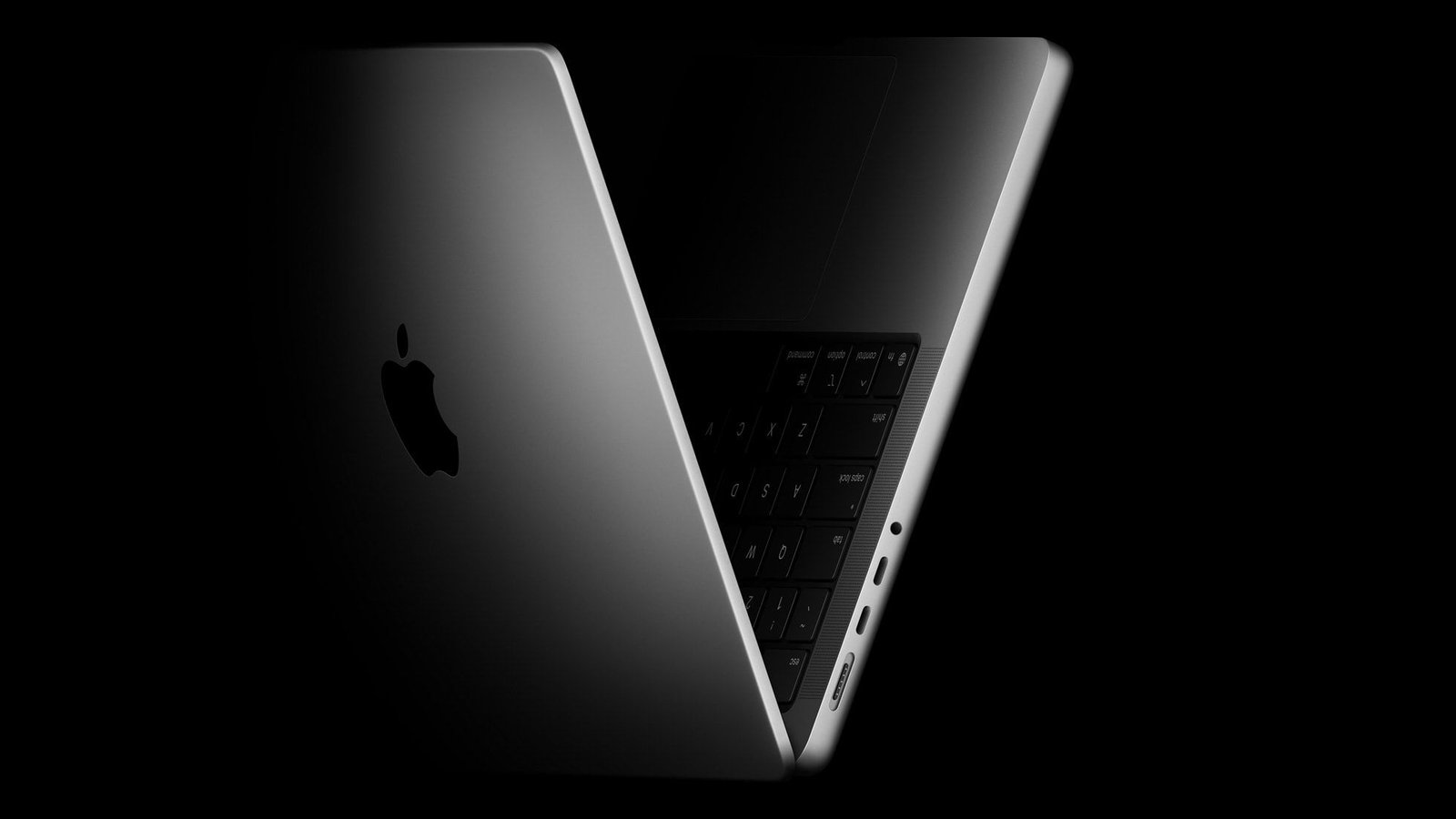
The landscape of portable computing is poised for a significant transformation with the upcoming release of new MacBook Pro models. Industry analysts indicate that Apple is preparing to launch a refreshed line of professional-grade laptops that prioritize a leaner physical footprint without sacrificing performance. Central to this redesign is a comprehensive overhaul of the internal architecture. By miniaturizing internal components and optimizing the arrangement of hardware, engineers have managed to reduce the overall mass of the devices.
Currently, the MacBook Pro series carries a weight profile reaching up to 4.7 pounds, which is a consideration for professionals who prioritize mobility. The integration of lighter materials and more efficient component placement suggests that these upcoming iterations will provide a much-improved experience for users who require a high-performance machine that remains easy to carry in various work environments.
The Transition to OLED Display Technology
Perhaps the most anticipated technical shift in the new MacBook Pro is the adoption of OLED display technology. Unlike the existing Mini-LED configurations, OLED panels offer self-emissive pixels, which provide true blacks and infinite contrast ratios. This transition represents a significant leap in visual fidelity, catering to photographers, videographers, and design professionals who require precise color reproduction and deep luminance control.
The OLED upgrade is expected to be more than just a shift in panel technology. When combined with the internal hardware refinements, the screen itself may contribute to a thinner display assembly. This reduction in thickness is a primary factor in the broader goal of achieving a lighter, more portable device, as the display assembly constitutes a substantial portion of the laptop’s total weight.
Interactive Capabilities and Interface Design
In a departure from traditional laptop interface standards, the next generation of MacBook Pro is rumored to introduce touch-screen capabilities. This move signals a shift in how macOS is intended to be navigated, likely bridging the gap between mobile and desktop interaction models. Implementing touch support on a laptop requires sophisticated software calibration to ensure precision and prevent accidental inputs during standard typing sessions.
Accompanying the touch-sensitive display is the replacement of the familiar notch with the Dynamic Island. This feature, already established in the iPhone lineup, provides a fluid, software-driven area for system notifications, activity tracking, and status updates. By integrating this into the MacBook Pro, Apple intends to create a more consistent ecosystem experience, allowing users to monitor background tasks without interrupting their primary workflow on the main screen.
Performance Gains with M5 Series Silicon
Powering these hardware innovations are the upcoming M5 Pro and M5 Max chips. As the latest iteration of Apple Silicon, these processors are expected to deliver substantial improvements in both raw compute power and energy efficiency. The architecture of these chips is designed to handle demanding tasks such as high-resolution video rendering, complex 3D modeling, and real-time data processing, all while maintaining the thermal efficiency required for a thinner chassis.
The synergy between the M5 series chips and the refreshed macOS 27.2 is expected to optimize power consumption. Because OLED panels are generally more power-efficient when displaying dark imagery, the combination of efficient silicon and advanced display technology suggests that battery life will remain competitive, or even improve, despite the reduction in the total physical volume of the device.
Strategic Positioning in the Market
These upcoming models are expected to sit at the pinnacle of Apple’s laptop hierarchy, occupying a segment above the current MacBook Pro offerings. By targeting users who demand both peak performance and maximum portability, Apple is refining its strategy to address the specific needs of mobile professionals. The decision to maintain the current MacBook Pro and MacBook Air lines suggests that this new, high-end, OLED-equipped model is intended to serve as a premium specialized tool rather than a direct replacement for existing entry-level or mid-range machines.
The anticipated October or November release window aligns with Apple’s traditional seasonal cycle for hardware launches. Testing is currently underway with macOS 27.2, and the focus remains on ensuring that the touch-interface implementation and Dynamic Island functionality are fully optimized for the pro-level workload. As these devices prepare to enter the market, they represent a convergence of industrial design, display innovation, and high-performance engineering that aims to set a new benchmark for professional portable computing.
Disclaimer: This content is auto-generated for informational purposes only.
Source: Read Original News