








The Plight of the “Flying Mouse”: Patagonia’s Giant Bumblebee Faces Extinction
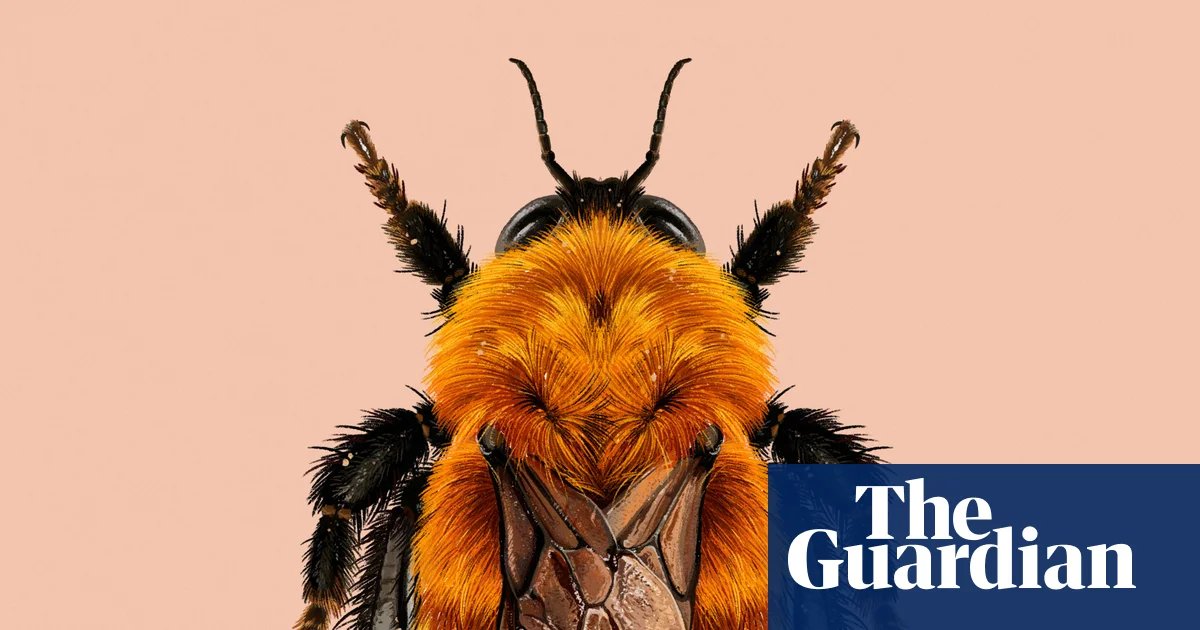
Often revered for their industrious nature and vital role in ecosystems, bumblebees are universally cherished. Among the roughly 250 species globally, one stands out for its extraordinary size and captivating appearance: Bombus dahlbomii, affectionately known as the “flying mouse.” This magnificent creature, a contender for invertebrate of the year, is now facing a severe and critical threat to its existence.
The gloriously furry females of Bombus dahlbomii can reach an impressive 4cm in length, with an unusually heavy body weighing up to 1.5g. These giants inhabit the temperate, forest-clad mountains of Patagonia, spanning both Argentina and Chile.
Bombus dahlbomii is being outcompeted by the European buff-tailed bumblebee, which was introduced for fruit tree pollination. Photograph: Michael Grant Wildlife/Alamy
A Crucial Pollinator Facing Unprecedented Threats
As a species endemic to Patagonia, Bombus dahlbomii plays an indispensable role in pollinating native flora, including the vibrant Peruvian lily (Alstroemeria aurea) and the exquisite Chilean bellflower (Lapageria rosea). Notably, the “moscardón,” as it’s locally known, possesses a unique receptor system enabling it to detect and distinguish the color red, a hue most other bees typically avoid. Its distinctive furry appearance is attributed to long bristles covering its thorax and abdomen, providing a fitting descriptor of its “flying mouse” moniker.
However, the survival of this magnificent insect is severely jeopardized by human activities that extend beyond conventional habitat destruction. Since the 1980s, the introduction of two non-native invasive European bumblebee species – the ruderal bumblebee (Bombus ruderatus) and the buff-tailed bumblebee (Bombus terrestris) – to Chile and Argentina for commercial agricultural pollination has led to a catastrophic decline in Bombus dahlbomii populations. While these European species are valued in their native environments, their rapid spread in South America has resulted in direct competition with the native giant bumblebee, and, more critically, the introduction of novel pathogens and diseases that are decimating local populations.
skip past newsletter promotion
after newsletter promotion
The ripple effect of this decline is profound, disrupting the delicate balance of life intertwined with Bombus dahlbomii – from native flowers that rely on its unique pollination services to other endemic species like mites that live on the giant bumble. Paradoxically, the invasive bumblebees are also inadvertently aiding the spread of non-native plant species from Europe, such as broom, further altering the Patagonian ecosystem. With the invasive species now too widespread for eradication, conservationists face an uphill battle.
A Mascot for Biodiversity Conservation
The urgent need for action was highlighted by Anton Gradišek, a researcher from Ljubljana, Slovenia, whose nomination brought Bombus dahlbomii into the spotlight for the Invertebrate of the Year award. Gradišek, involved in an academic project utilizing bioacoustics to study this endangered species, lamented, “When we were out in the field, we saw only a handful of them. Bumblebees are the pandas of the insect world, and a mascot for biodiversity conservation.” His poignant observation underscores the critical status of this remarkable insect.
The story of Bombus dahlbomii serves as a stark reminder of the unintended consequences of introducing non-native species and the ongoing battle to protect unique biodiversity. As we consider the nominations for Invertebrate of the Year, the plight of Patagonia’s “flying mouse” resonates as a powerful call for greater vigilance and informed ecological practices.
-
It’s invertebrate of the year again! From 3-12 August, every day we will profile one of the thousands of amazing invertebrates that our readers have nominated. And then, when you’ve heard about all of them, we’ll open the voting so you can choose your favourites. Don’t hesitate to get in touch with thoughts and ideas: email us at environment.desk@theguardian.com with Invertebrate in the subject line.