








Is Your Old Motherboard Holding Back Your CPU? Testing the Ryzen 7 5800X3D on X370 vs. X570
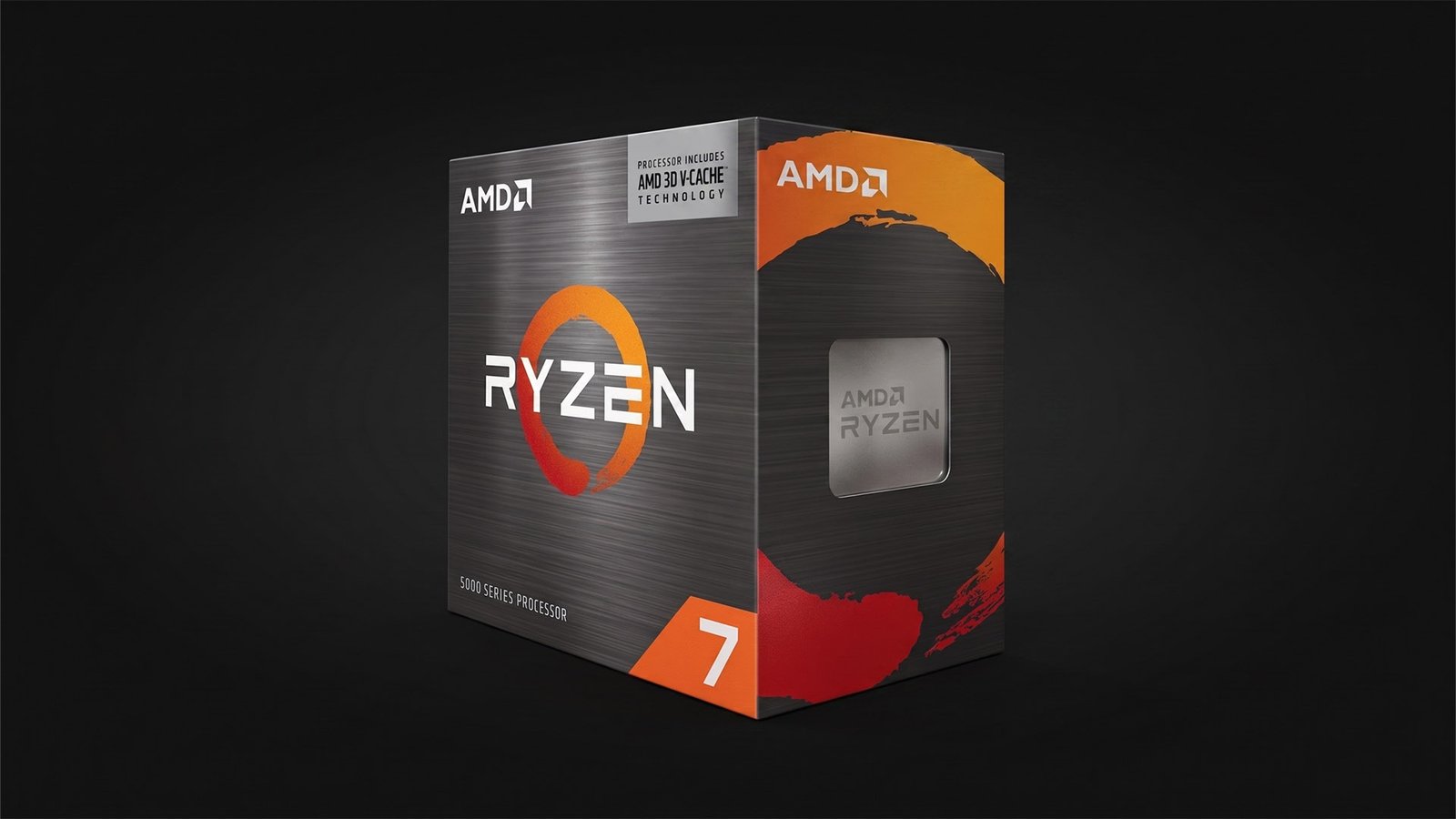
AMD has earned immense consumer loyalty for its long-standing support of the AM4 platform. This commitment was recently underscored by the re-release of the legendary Ryzen 7 5800X3D—a processor that redefined gaming performance with its innovative 3D V-Cache technology. However, a lingering question remains for legacy PC builders: does pairing this powerhouse CPU with an aging motherboard sacrifice performance, or is the AM4 platform truly as evergreen as it seems?
A recent performance comparison by Linus Tech Tips provides the definitive answer, and the results might just save you a significant amount of money.
Testing Across Generations: X370 vs. X570
To determine if the re-engineered Ryzen 7 5800X3D suffers when constrained by older infrastructure, the team at Linus Tech Tips set up a rigorous head-to-head test. One system utilized an early-generation X370 motherboard, while the other featured the much more modern X570 chipset. Both systems were paired with a high-end GeForce RTX 4070 Ti and standard DDR4 memory to ensure that the CPU/motherboard interface remained the primary variable.
While the team noted some initial friction in getting the older X370 board to properly recognize the CPU—and faced challenges in hitting high memory clock speeds—the actual gaming performance tells a different story.
Negligible Performance Gaps
When put to the test in modern, demanding titles, the performance delta between the two platforms was virtually non-existent:
- Cyberpunk 2077: The two systems produced nearly identical frame rates, with a negligible 1-2 FPS difference.
- CS2: While there was a slight variation in performance, it remained well within the margin of error, making it imperceptible during actual gameplay.
- Cities: Skylines II: Even in this notoriously CPU-intensive title, the older X370 platform held its own against the X570 chipset, rendering almost identical results.
While the X570 chipset offers clear functional advantages, such as support for PCIe Gen 4 NVMe SSDs and generally superior feature sets, these benefits are related to platform utility rather than raw frame-rate output.
A Cost-Effective Path Forward
For many gamers, the prospect of a platform upgrade is daunting. The current volatility in DDR5 memory pricing, coupled with the need to purchase a new CPU, motherboard, and RAM simultaneously, creates a high barrier to entry.
For those currently running a non-X3D chip on an AM4 board, the data suggests that you don’t need to jump to an entirely new ecosystem to see a massive boost in performance. A simple drop-in upgrade to the Ryzen 7 5800X3D—which can be found for roughly $340—offers a vastly more cost-effective path to modern gaming performance than an expensive platform migration.
Ultimately, this testing serves as a testament to the longevity of AMD’s architecture. If you are looking to revitalize an aging PC, you likely have more headroom than you think.