









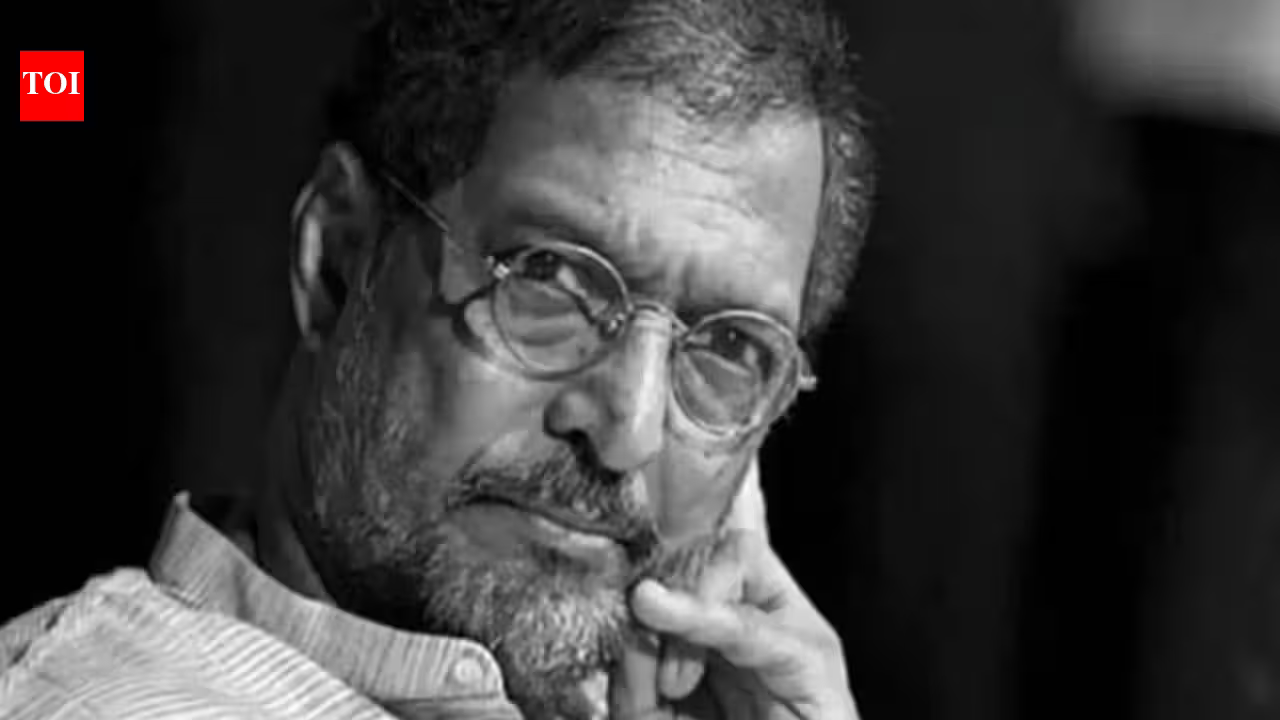
Beyond the boundary lines of cricket stadiums and the glitz of the silver screen, there exists a rare, poignant bridge between two of South Asia’s greatest passions: cinema and sport. The passing of legendary Indian actor Nana Patekar has sent shockwaves through both industries, but perhaps nowhere was the loss felt as deeply as within the close-knit fraternity of former Pakistan cricketers.
In a heartfelt tribute following the announcement of Patekar’s death this Thursday, former Pakistan wicketkeeper-batter Rashid Latif opened up about an enduring, unlikely friendship that spanned decades, rooted in mutual respect and a shared appreciation for the human spirit.
A Bond Forged in Colombo
The relationship between the actor and the cricketer was not one of mere fandom; it was a genuine, personal connection that defied the often-tense geopolitical climate between India and Pakistan. According to Latif, the foundation for their camaraderie was laid during the 1994 Singer Trophy in Colombo.
“I used to speak with him regularly, and it continued for many years,” Latif revealed in an exclusive interview with TimesofIndia.com. “Back in Colombo in 1994, it was the likes of Mohammad Azharuddin and Ajay Jadeja who facilitated our initial conversations. They knew how much I admired him, and they helped open that door for us.”
That initial meeting sparked a long-distance rapport that persisted despite the intense demands of international cricket. For Latif, Patekar was not just an actor but a mirror of the raw, unfiltered emotions that both men navigated in their respective professions.
The “Nana” Connection and the Indian Dressing Room
The affinity for Patekar within the Pakistan team was so profound that it manifested in a permanent nickname for one of their own. Former Pakistan international Basit Ali, in a touching eulogy, confirmed that Latif had been affectionately dubbed “Nana” by his teammates.
“We had nicknamed Latif as ‘Nana’ because of his striking resemblance in mannerism and intensity to Nana Patekar,” Basit Ali explained. “Early in the morning, I heard the sad news. Our very dear brother, friend, and living legend is no longer in this world. He acted in movies exactly as he was in real life—genuine, intense, and unfiltered.”
The bond reached a notable peak in 1998, when Patekar secured the prestigious Best Actor award. Latif, who was touring South Africa with the Pakistan squad at the time, made it a point to reach out to the actor to extend his congratulations. The anecdote that followed highlights the warmth Patekar held for his cross-border admirers.
“When he went and met the Indian team later, he told everyone about my message,” Latif recalled, citing an interaction he had with Ajay Jadeja. “He told them, ‘Look, Rashid Latif is Pakistani, he congratulated me, but you people did not.’ That was the kind of person he was—he valued genuine connection over everything else.”
A Legacy Beyond the Screen
While Patekar’s cinematic career—defined by three National Film Awards and a string of iconic performances in Parinda, Krantiveer, and Agni Sakshi—cemented his status as a titan of Indian culture, his life was equally characterized by a deep sense of social responsibility and patriotism.
His devotion to the Indian armed forces became legendary in 1999 during the Kargil War. Eschewing the comfort of the spotlight, Patekar personally petitioned then-Defence Minister George Fernandes to allow him to serve alongside soldiers on the front lines. Over the course of 60 days, he was deployed in treacherous sectors including Drass, Mughal Pora, and Baramulla, even serving as a member of the Quick Reaction Team (QRT). It was this facet of his character—the man who walked the talk—that resonated so strongly with cricketers like Latif and Basit Ali.
Reflections on Mortality
Patekar’s death came as a shock to the public, though it seems the actor had been reflecting on the nature of existence in his final days. During a public event in Goa just four days before his passing, he spoke with characteristic candor about the impermanence of life. “We all have to go someday,” he told the audience. “I don’t know whether I will be here tomorrow.”
As the news broke, tributes flowed in from across the subcontinent. Yet, in the testimonials of Rashid Latif and his contemporaries, one sees a different side of the legend: the mentor and the friend who could bridge the divide between two nations through the power of a simple phone call.
Nana Patekar is survived by his wife, Neelkanti, and his son, Malhar. While the “living legend” may have taken his final bow, his influence remains etched in the memories of those he inspired—not just through his performances in front of the camera, but through the quiet, consistent warmth he extended to those who admired him from across the border. For Rashid Latif, the man who carried his name on the cricket field, the legacy of “Nana” is one that will never truly be out of play.
Disclaimer: This content is auto-generated for informational purposes only.
Source: Read Original News