









Revitalizing Europe: Why Industrial Adaptation is as Critical as Innovation
As Europe doubles down on efforts to bolster its industrial base and sharpen its global competitive edge, the prevailing policy discourse is heavily skewed toward the creation of new industrial capacity. While high-tech manufacturing and green-energy infrastructure are undeniably essential for the continent’s future, a vital piece of the puzzle is often overlooked: the need to support and evolve the industries that have historically formed the backbone of the European economy.
Retaining a robust manufacturing sector requires more than just launching new projects; it demands a strategic focus on enabling established players to pivot in response to profound structural shifts in demand.
The Changing Landscape of Demand
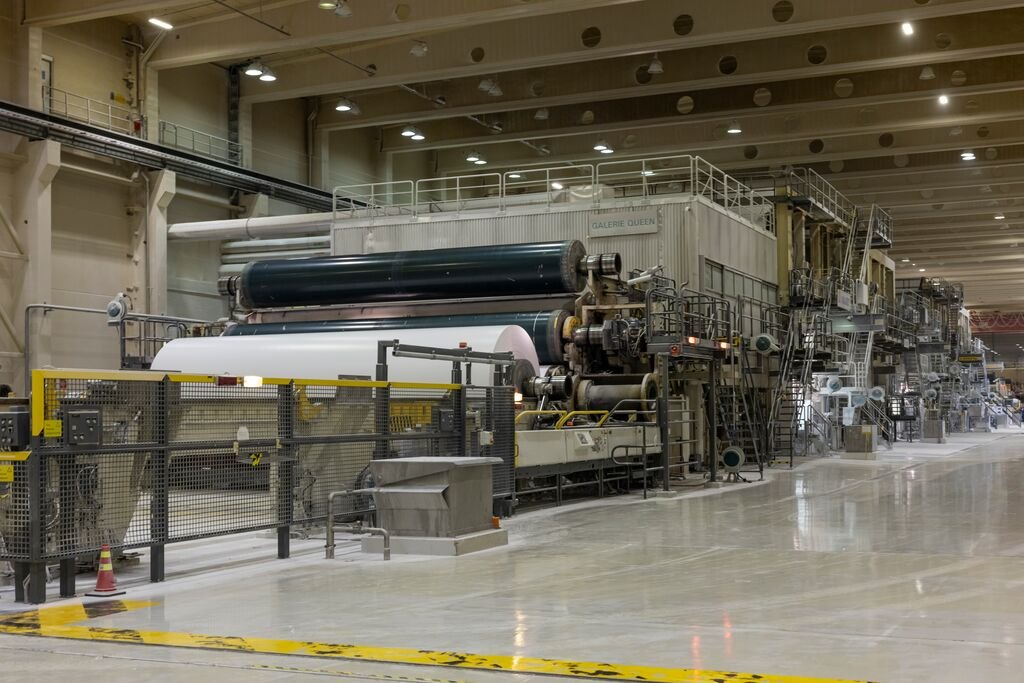
For those operating on the front lines of European manufacturing, the reality of this transition is stark. Nowhere is this more evident than in the paper and pulp industry. Over the past decade, the continent has witnessed a dramatic, permanent decline in the demand for graphic paper—a direct consequence of the rapid digitization of media and communication.
For many companies, this shift could have signaled the end of operations. However, successful firms are proving that industrial legacy can be a springboard for transformation rather than a relic of the past. By repurposing existing mill infrastructure, integrating sustainable technologies, and pivoting toward packaging and specialty materials, European manufacturers are demonstrating that adaptation is the most practical pathway to long-term resilience.
A Holistic Strategy for Competitiveness
The debate surrounding Europe’s competitiveness is often framed as a binary choice between “old industry” and “new innovation.” This is a false dichotomy. A truly competitive European industrial policy must marry the ambition of future-facing sectors with the practical necessity of helping legacy industries transition.
Key elements of this necessary evolution include:
- Regulatory Flexibility: Permitting existing facilities to pivot their output without navigating a labyrinth of red tape that was designed for static production lines.
- Decarbonization Support: Providing the financial and structural support to modernize older, energy-intensive plants, allowing them to compete on a greener playing field.
- Skills Transition: Investing in the workforce, ensuring that the specialized knowledge inherent in traditional manufacturing is channeled into the new processes that define modern industry.
The Bottom Line
If Europe intends to maintain its industrial sovereignty, it cannot simply wait for the “next big thing.” It must commit to the ongoing, often difficult work of industrial adaptation. By enabling established companies to evolve, we preserve jobs, maintain vital supply chains, and ensure that Europe remains a global manufacturing powerhouse capable of weathering the inevitable shifts of a changing world.
The path to a resilient European economy is paved not only with new groundbreakings but with the successful transformation of the assets we already possess.