





Revitalizing Nature: EU Officials Pivot Toward Floodplain Restoration to Combat Droughts
As Europe grapples with increasingly unpredictable weather patterns, environmental policy is undergoing a significant shift. Rather than relying solely on traditional hard infrastructure, officials are prioritizing the restoration of floodplains and wetlands as a primary defense against the encroaching threat of drought.
The strategy marks a departure from historical water management practices, which favored concrete channels and dams. Instead, policymakers are now championing “nature-based solutions,” arguing that natural landscapes serve as the most efficient sponges for managing water cycles, replenishing groundwater, and maintaining ecosystem resilience during prolonged dry spells.
A New Approach to Water Security
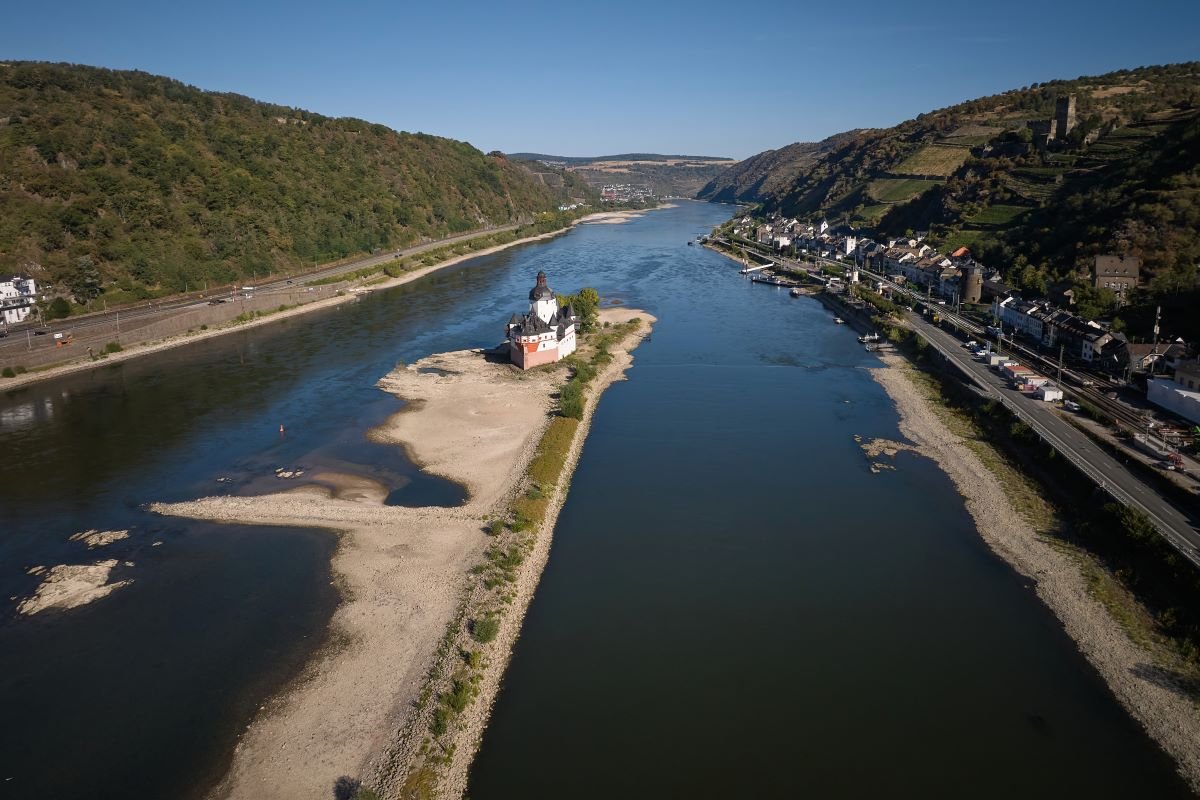
In recent years, the acceleration of climate change has rendered the continent’s existing infrastructure increasingly inadequate. Extended heatwaves and plummeting water levels in major waterways—such as the Rhine—have disrupted logistics, energy production, and agriculture.
This crisis has sparked intense internal debate regarding how best to manage Europe’s vital arteries. While some industry advocates push for industrial engineering projects, such as deepening riverbeds to facilitate shipping, environmental scientists and EU officials are warning that these interventions can often exacerbate drought conditions by accelerating water runoff and degrading vital habitats.
The Benefits of Re-Wilding
By restoring wetlands and reconnecting rivers to their historical floodplains, experts suggest that Europe can create a “natural buffer” system. When heavy rainfall occurs, these areas capture and store excess water, preventing flash flooding. Conversely, during periods of intense drought, these saturated lands act as reservoirs, slowly releasing stored water back into the ecosystem and maintaining river levels.
“We are moving away from the era of fighting nature toward working with it,” noted one environmental policy advisor. “Floodplains are not just ecological assets; they are essential infrastructure for economic stability.”
Legislative Momentum
The push for restoration is gaining traction in Brussels as part of the broader EU Green Deal objectives. New directives encourage member states to implement large-scale restoration projects, aiming to reverse the degradation of wetlands that have been lost to centuries of urban development and agricultural expansion.
While the transition requires complex coordination between farmers, local municipalities, and national governments, the consensus is clear: the cost of inaction far outweighs the investment required to restore the landscape. As the climate continues to shift, the path toward a drought-resilient Europe will likely be paved by grass and water rather than concrete and steel.