








The One UI 6.1.1 Rollout: Expanding Advanced Capabilities
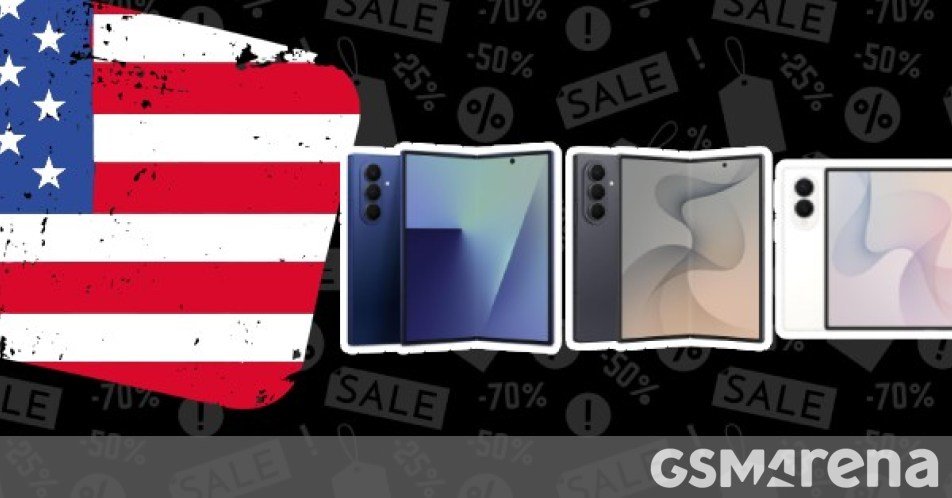
Samsung has officially initiated the distribution of its latest software update, One UI 6.1.1, across its global lineup of Galaxy devices. This release, which follows a period of internal refinements and scheduling adjustments, brings a substantial collection of artificial intelligence features—previously exclusive to the Galaxy Z Fold 6 and Flip 6—to a much broader range of hardware. By deploying these enhancements, the company is bridging the gap between its newest flagship foldables and established devices like the Galaxy S24, S23, and Tab S9 series.
The update focuses on refining user interactions through integrated intelligence, rather than merely adjusting the interface aesthetic. This strategy allows users with older hardware to utilize advanced computational photography, real-time communication tools, and productivity enhancements that were formerly restricted to the latest generation of mobile silicon. For millions of Galaxy users, this rollout represents a significant functional upgrade that extends the utility of their current devices.
Enhancements in Computational Photography and Creative Tools
A primary focus of the One UI 6.1.1 update is the integration of generative AI tools within the Samsung Gallery and photo editing suite. One of the most prominent additions is Sketch to Image, a feature that allows users to draw or scribble on existing photos and have the AI generate detailed, stylistically appropriate objects to fill those spaces. By leveraging neural processing units, the software interprets user input to enhance compositions, adding depth and coherence that previously required professional-grade desktop editing software.
Furthermore, the update includes advanced Portrait Studio capabilities. This tool uses generative models to transform standard portraits into various artistic styles, such as 3D animation, watercolor, or sketches. By analyzing the structural data of a face, the system creates stylized versions while maintaining the identity of the subject. These features reflect a broader trend in mobile technology where the gap between casual editing and creative production is narrowing through automated, context-aware processing.
Communication and Linguistic Capabilities
Samsung has significantly bolstered its communication tools through the expansion of the Interpreter and Live Translate features. In the previous versions of One UI, language barriers were addressed primarily through text-based translation. One UI 6.1.1 introduces an updated Listening Mode for the Interpreter, allowing the device to process long-form spoken audio in real-time. This is particularly beneficial for professionals in meetings or international travelers who require fluid, bidirectional communication without the latency often found in cloud-dependent translation services.
Additionally, the update improves the Composer feature within the Samsung Keyboard. This tool assists users in drafting emails, social media captions, or professional documents by suggesting text based on the user’s preferred tone and situational context. By analyzing the content of the ongoing conversation, the keyboard can provide suggestions that align with formal, casual, or technical communication requirements, effectively reducing the manual effort required to construct coherent responses across different applications.
Productivity and Multitasking Efficiency
For power users, the update introduces significant refinements to the way the interface handles multitasking and cross-device data flow. The integration of Notes Assist, an advanced tool within Samsung Notes, now allows for automatic formatting and summarization of lengthy documents. This feature is designed to parse dense text, identify key data points, and generate structured summaries or actionable lists. For tablet users in the Tab S9 series, this improvement is particularly impactful, as it transforms the device into a more capable tool for research and administrative tasks.
The update also refines the interaction between the device’s clipboard and AI-driven predictive text. By enhancing the backend integration between apps, the system can now better anticipate what a user might need to copy and paste based on their workflow. These refinements contribute to a more seamless experience where the operating system acts as a background facilitator, minimizing the friction involved in moving information between disparate software silos.
Device Compatibility and Deployment Strategy
The rollout of One UI 6.1.1 is being managed in staggered waves, starting with the highest-tier devices to ensure stability before reaching the broader base. The primary recipients include the Galaxy S24 series, S23 series, S23 FE, Z Fold 5, Z Flip 5, and the Tab S9 lineup. This inclusive approach is part of Samsung’s long-term commitment to extending the software lifecycle of its hardware. By keeping these devices updated with the latest AI-driven logic, the company is attempting to maintain the value of its ecosystem.
Users are encouraged to verify their system status through the Software Update section in the device settings. The update is substantial, often requiring several gigabytes of storage space, which necessitates a stable Wi-Fi connection. Given the complexity of the generative AI features included, the company has optimized these tools to run efficiently on the existing NPU architectures found in the Snapdragon and Exynos processors powering these devices. This ensures that users do not experience significant degradation in battery life despite the increased computational load required by the new software layer.
Impact on the Future of Mobile Computing
The deployment of One UI 6.1.1 marks a pivot toward software-led differentiation. As hardware iterations provide diminishing returns in performance metrics, manufacturers are increasingly relying on intelligent software layers to entice users. By cascading these advanced features down to older hardware, Samsung is establishing a standard where the value of a smartphone is no longer tethered solely to its release date, but to its capacity for ongoing software evolution.
This approach influences how users perceive the longevity of their devices. When a two-year-old handset receives the same generative capabilities as a brand-new flagship, the necessity for frequent hardware replacements diminishes. Ultimately, the successful integration of these features into the existing Galaxy user base signals a shift in the industry toward prioritizing functional longevity, creating a more sustainable model for mobile technology consumption.
Disclaimer: This content is auto-generated for informational purposes only.
Source: Read Original News