








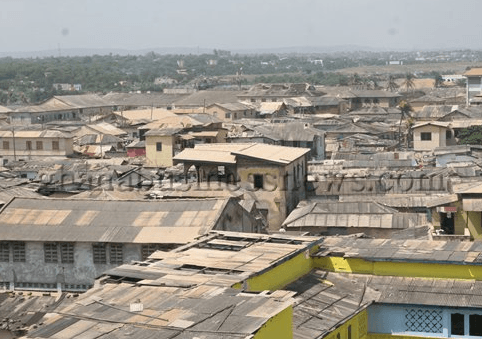
Mr. Charles Amissah-Koomson, President of the Architectural Society of Ghana, has issued a stern warning regarding the rapid and largely unregulated expansion of urban centers. In a recent statement, he cautioned that the current trajectory of uncontrolled urban development, coupled with the widespread destruction of natural vegetation, is creating a perfect storm for environmental instability and public safety crises.
The primary concern, according to Mr. Amissah-Koomson, is the compounding impact of these building practices on local hydrology. As developers clear land and replace permeable surfaces like soil and forest cover with concrete and asphalt, the natural capacity of the land to absorb rainwater is significantly diminished. This transformation, often executed without adequate drainage infrastructure, inevitably exacerbates flooding in communities across the country.
“We are witnessing a dangerous trend where the quest for housing and commercial space overlooks the fundamental principles of environmental harmony,” Mr. Amissah-Koomson stated. He noted that the removal of trees and natural landscapes is not merely an aesthetic loss but an ecological one. Trees and ground vegetation act as natural barriers against soil erosion and help regulate water runoff; their systematic removal removes a critical layer of defense against seasonal weather extremes.
The Architectural Society of Ghana highlights that the failure to adhere to rigorous zoning laws and building codes is a major driver of this decline. In many urban areas, development is outpacing the capacity of municipal authorities to plan and enforce structural standards. When buildings are constructed in watercourses or on sites stripped of their protective vegetation, they become magnets for disaster. These structures are not only prone to flooding but also pose severe health and safety risks to residents when drainage systems become overwhelmed.
Beyond the immediate threat of flooding, the loss of green space also contributes to the “urban heat island” effect, where cities become significantly warmer than their rural surroundings due to the concentration of heat-absorbing building materials. This rise in ambient temperature, paired with the lack of natural cooling provided by vegetation, impacts the overall quality of life and energy consumption patterns in urban centers.
Mr. Amissah-Koomson is calling for a paradigm shift in how urban growth is managed. He advocates for a more integrated approach to development—one that prioritizes sustainable architecture and urban planning. This includes mandating green buffers in development plans, strictly enforcing building regulations that protect floodplains, and ensuring that new construction projects undergo thorough environmental impact assessments before being approved.
The warning comes as Ghana continues to struggle with the rising costs associated with climate-induced disasters. With unpredictable rainfall patterns becoming more common, experts emphasize that reactive measures—such as cleaning drains after a flood—are insufficient. Instead, a proactive, systematic approach to how the built environment interacts with the natural ecosystem is essential to safeguarding both human lives and the economic future of urban communities.
As stakeholders look toward the future, the message from the architectural community is clear: development cannot be equated with progress if it undermines the safety and environmental integrity of the very spaces people inhabit. Without a return to disciplined, environmentally conscious urban planning, the nation risks further compounding the risks posed by an increasingly volatile climate.
Disclaimer: This content is auto-generated for informational purposes only.
Source: Read Original News